January 22, 2026
Trees change constantly throughout the year, responding to weather, temperature, and natural growth cycles. Knowing when trimming should happen is not just about appearance. Timing affects tree health, safety, and long-term stability. Homeowners and property managers often rely on a professional tree service to evaluate these factors and plan trimming at the right moment, rather than reacting after problems appear.
Growth Cycles
Trees grow in cycles that shift with the seasons. During warmer months, energy is focused on leaf development and new growth. In cooler periods, growth slows as trees conserve energy. Trimming during calmer growth phases helps reduce stress and allows trees to recover more efficiently. A qualified tree service understands how these natural rhythms affect different species and uses that knowledge to guide scheduling.
Recognizing these cycles also helps prevent unnecessary strain on trees that are already working hard to adapt to environmental changes. Sudden weather shifts, soil conditions, and surrounding development can all influence how a tree responds to trimming. When care is timed correctly, healing happens more smoothly, growth remains balanced, and the tree is better equipped to handle future seasonal changes without decline.
Late Winter and Why It Often Makes Sense
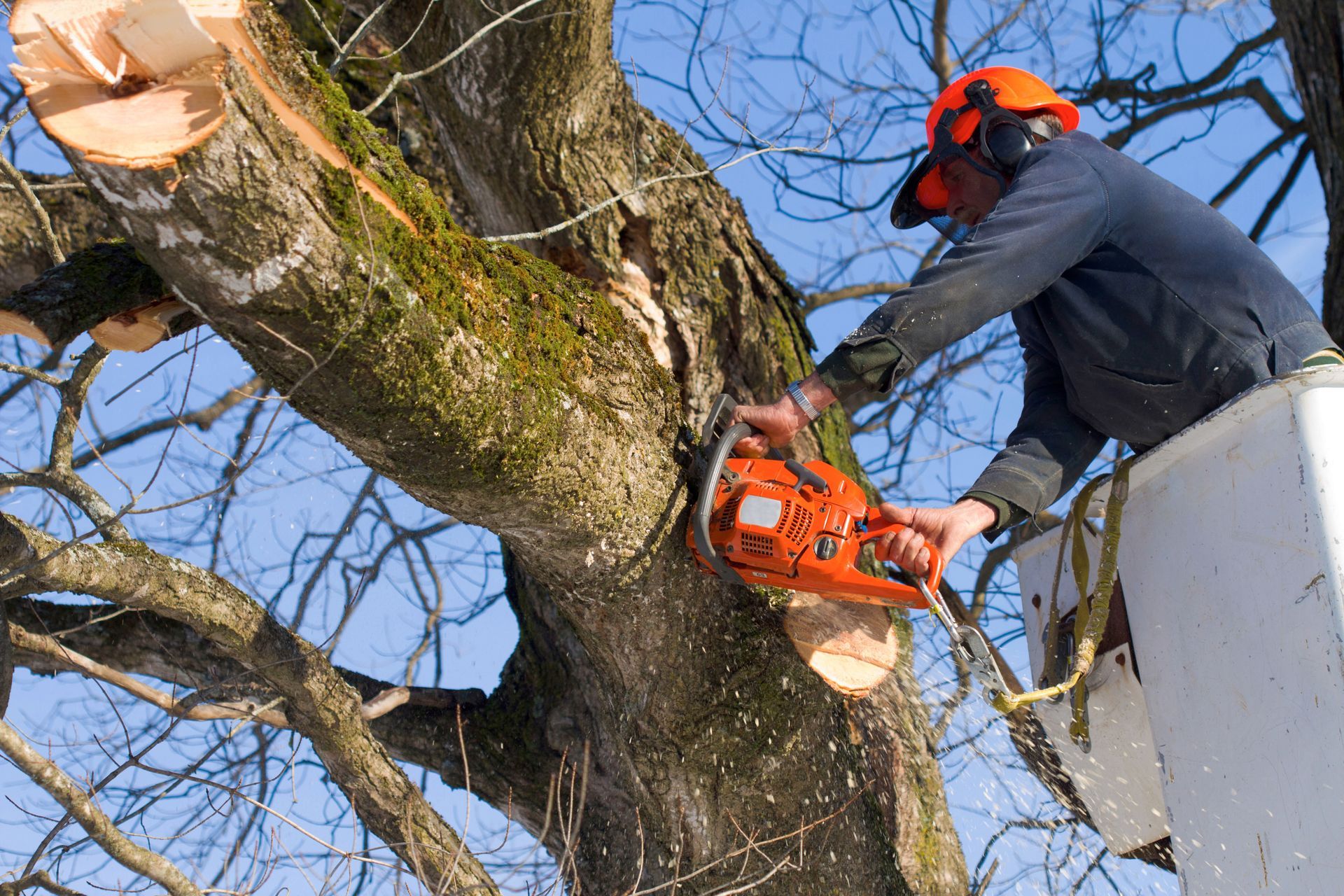
Late winter is commonly recommended for trimming because most trees are dormant. Without active growth, cuts tend to have less impact on overall health. Branch structure is also easier to see when leaves are gone, making it simpler to identify weak or crossing limbs. This timing allows trees to enter spring with a cleaner structure and fewer risks.
Another advantage of late winter trimming is reduced exposure to insects and disease. Many pests are inactive during colder months, lowering the chance that fresh cuts will attract unwanted problems once warmer weather returns. Trimming before spring growth begins also helps trees direct energy toward healthy new development instead of repairing preventable damage.
Spring Trimming and Growth Management
Spring brings rapid growth, which can be both a benefit and a challenge. Light trimming in early spring can help shape trees and guide new growth. However, heavy cutting during this time may interrupt development. Working with a tree service during spring ensures trimming stays focused and does not interfere with the season’s natural momentum.
Spring trimming decisions often depend on how a tree performed the previous year. Addressing lingering issues early in the season can support healthier growth while avoiding the stress that comes from more aggressive cuts later on.
Summer Trimming for Safety and Clearance
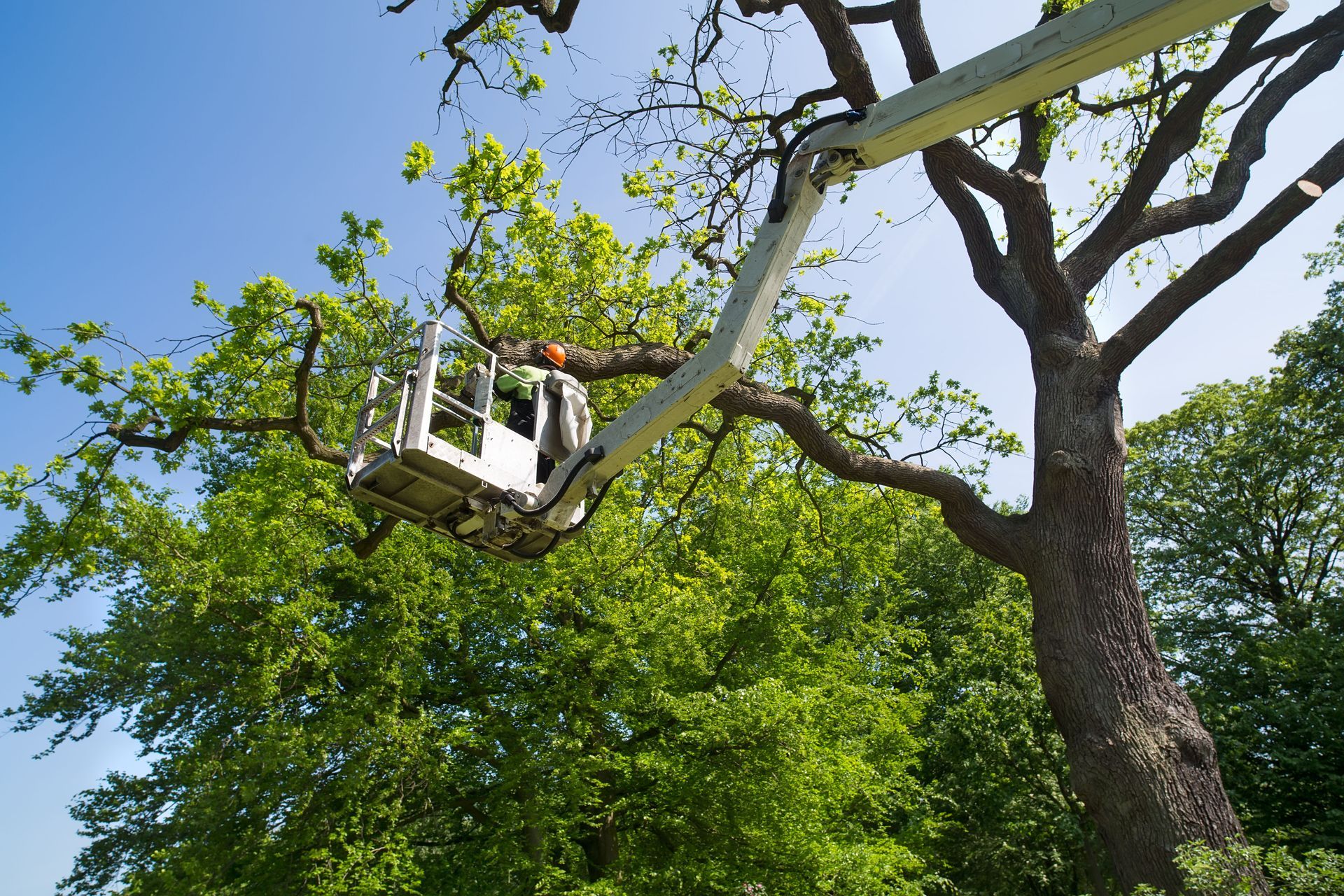
Summer trimming is often driven by practical needs. Overgrown branches may block walkways, touch buildings, or interfere with power lines. While summer is not ideal for aggressive trimming, targeted cuts can improve safety and visibility. Heat and drought conditions also require careful planning to avoid unnecessary stress on trees.
During summer, trimming is usually limited to problem areas rather than full shaping. This approach helps manage immediate concerns while preserving the tree’s ability to handle higher temperatures and limited moisture. Removing select limbs can also improve air circulation through the canopy, which may reduce the risk of storm-related breakage during sudden summer weather. Careful timing and precision are especially important during this season, as excessive cutting can increase sun exposure on inner branches and lead to long-term damage if not handled properly.
Fall Trimming Considerations
Fall can be a tricky season for trimming. Trees are preparing for dormancy, and fresh cuts may not heal as quickly before colder weather arrives. That said, removing damaged or hazardous limbs before winter storms can be a smart move. Many property owners schedule a tree service in early fall to address safety concerns without over-cutting.
Fall evaluations also help identify branches weakened by summer storms or heat stress. Limbs that appear stable during calm weather may become vulnerable once wind, snow, or ice is added to the equation. Addressing these issues ahead of winter reduces the risk of sudden breakage and helps protect roofs, vehicles, and walkways when weather conditions become more severe.
Weather Patterns and Influence Timing
Local weather plays a major role in trimming schedules. Storm-prone areas may require more frequent attention, especially after heavy winds or rain. According to IBISWorld, U.S. employment in tree trimming services grew at about 3.3% annually between 2019 and 2024, reflecting rising demand tied to weather-related risks and property protection. A reliable tree service monitors these patterns and adapts plans accordingly.
Shifting climate conditions have also made timing less predictable in some regions. Flexible scheduling allows trimming plans to respond to unexpected weather events instead of relying solely on traditional seasonal timelines.
Tree Species Matter More Than Many Realize
Not all trees respond the same way to trimming. Some species tolerate seasonal cuts better than others. Flowering trees, for example, may need trimming shortly after blooms fade to avoid affecting the next cycle. Evergreens follow different rules entirely. Understanding these differences is one reason many people rely on a professional tree service rather than guessing.
Species-specific care helps prevent long-term issues such as uneven growth or reduced flowering. Tailoring trimming schedules to each tree supports healthier development year after year.
Appearance Balance and Health
While curb appeal matters, health should always come first. Over-trimming at the wrong time can weaken a tree and invite disease. Thoughtful timing helps maintain natural shape while protecting structural integrity. A tree service can balance visual goals with biological needs, creating results that last longer.
Well-timed trimming supports both appearance and function. When trees are shaped with care, they tend to grow more evenly and maintain their form without frequent corrective work. Healthy structure also allows branches to better support their own weight, reducing the likelihood of splitting or failure during storms or high winds.
Preventive Trimming Versus Reactive Trimming
Waiting until branches break or lean can lead to costly problems. Preventive trimming focuses on removing potential hazards before they escalate. Seasonal planning allows property owners to stay ahead of issues instead of reacting after damage occurs. Many schedule routine visits with a trusted tree service to maintain consistency.
This forward-looking approach reduces stress on trees and helps avoid emergency situations. Over time, preventive trimming supports safer properties and more predictable maintenance schedules.
Long-Term Tree Care and Planning Ahead
Tree trimming should be part of a long-term care strategy, not a one-time task. Seasonal evaluations help identify trends such as uneven growth, structural imbalance, or recurring stress points caused by weather or surrounding development. Over time, this proactive approach supports healthier canopies, steadier growth, and fewer unexpected emergencies. Partnering with a dependable tree service helps ensure these patterns are addressed early rather than after damage occurs.
Long-term planning also makes it easier to coordinate trimming schedules with changes to the property and the surrounding environment. As trees mature, their structure and risk factors naturally change, and earlier trimming methods may no longer be appropriate. Regular communication with a professional tree service allows care plans to evolve over time, protecting both the trees and nearby structures while supporting overall landscape stability.
Choosing the right time of year to trim trees depends on growth cycles, weather, and the specific needs of each tree. Thoughtful timing protects both property and long-term tree health. If you are ready to plan seasonal trimming with confidence, Alpha 1 Tree Experts Inc can help you schedule care that keeps your landscape safe, healthy, and looking great.