August 25, 2026
Addressing tree emergencies promptly is crucial for maintaining safety and preventing extensive property damage. Trees that are dangerous due to disease, storm damage, or proximity to power lines can create significant hazards. A professional tree removal company is equipped to manage these emergencies through expertise and specialized equipment. This article explores various tree emergency scenarios and highlights the importance of utilizing professional services.
1. Storm Damage and Fallen Trees
How to Identify Storm-affected Trees
Storms often leave trees weakened or damaged in ways that aren't immediately visible. Splintering branches, leaning trunks, and uprooted roots can all indicate storm damage. It is important to examine the canopy, trunk, and root system for any visible signs. Professional arborists can identify less obvious signs such as internal structural weakness. Immediate action is essential to prevent further damage or hazards.
Monitoring is crucial because compromised trees pose significant threats to property and safety. For instance, according to the National Storm Damage Center, falling trees are the leading cause of roof damage, accounting for more than $1 billion in property damage each year. Early identification allows for timely intervention. Delays can result in increased risks, including potential injury or structural damage. Addressing storm damage immediately mitigates extensive fallout and ensures safety.
Professional assessments often reveal underlying issues that might not be visible to the untrained eye. Certified arborists use specialized tools to detect internal rotting or other structural weaknesses. These insights allow for an informed decision on whether a tree can be salvaged or requires removal. Choosing professional help increases the efficiency and efficacy of storm damage management. It enables property owners to make decisions that are informed, safe, and cost-effective.
Emergency Tree Removal Process
The emergency tree removal process begins with a thorough assessment by certified professionals. Each tree's condition, location, and potential hazards are carefully evaluated. Based on the findings, an appropriate removal plan is devised. The primary focus is not just on removal but ensuring the safety of everyone around. Understanding the specific requirements of each scenario ensures a tailored approach to effective management.
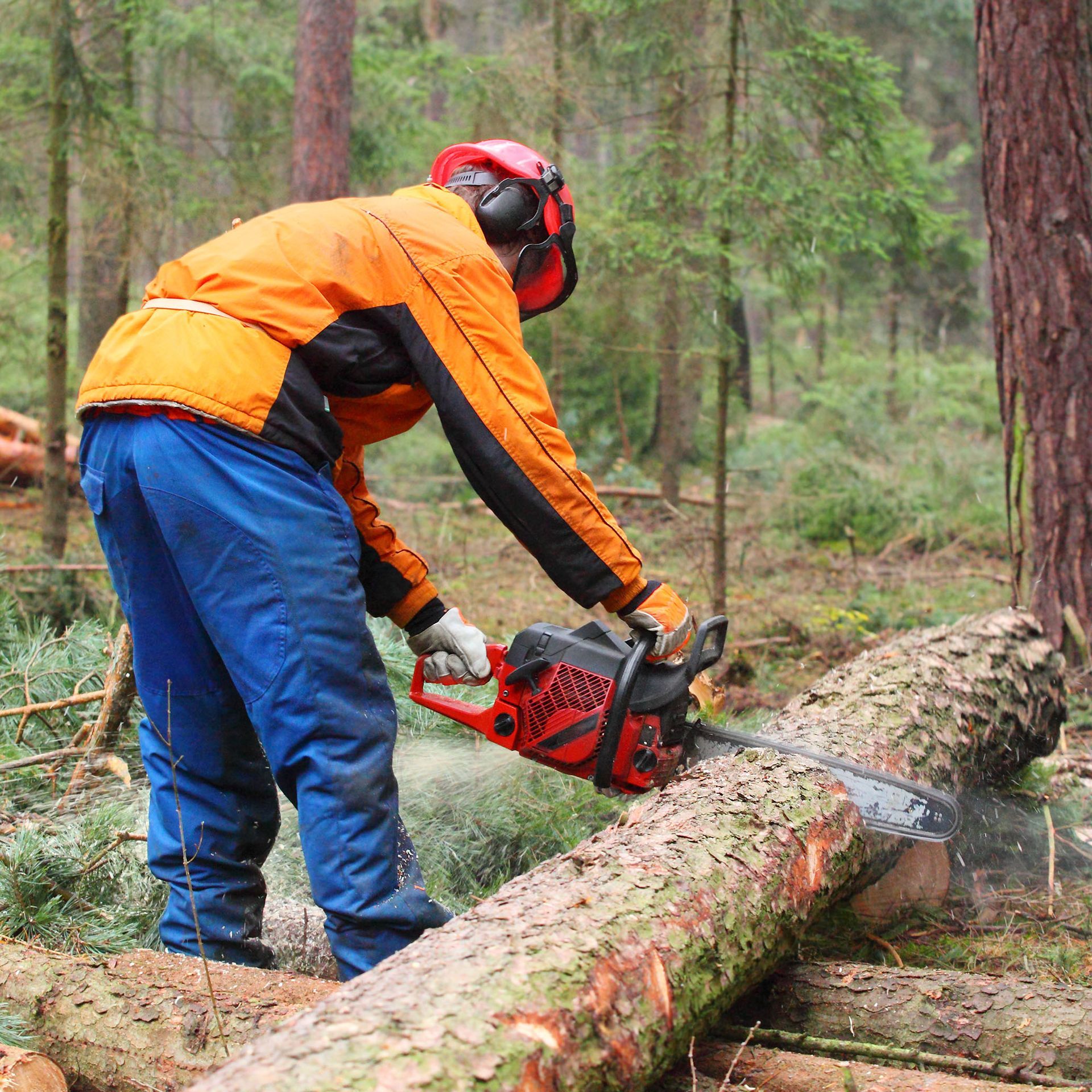
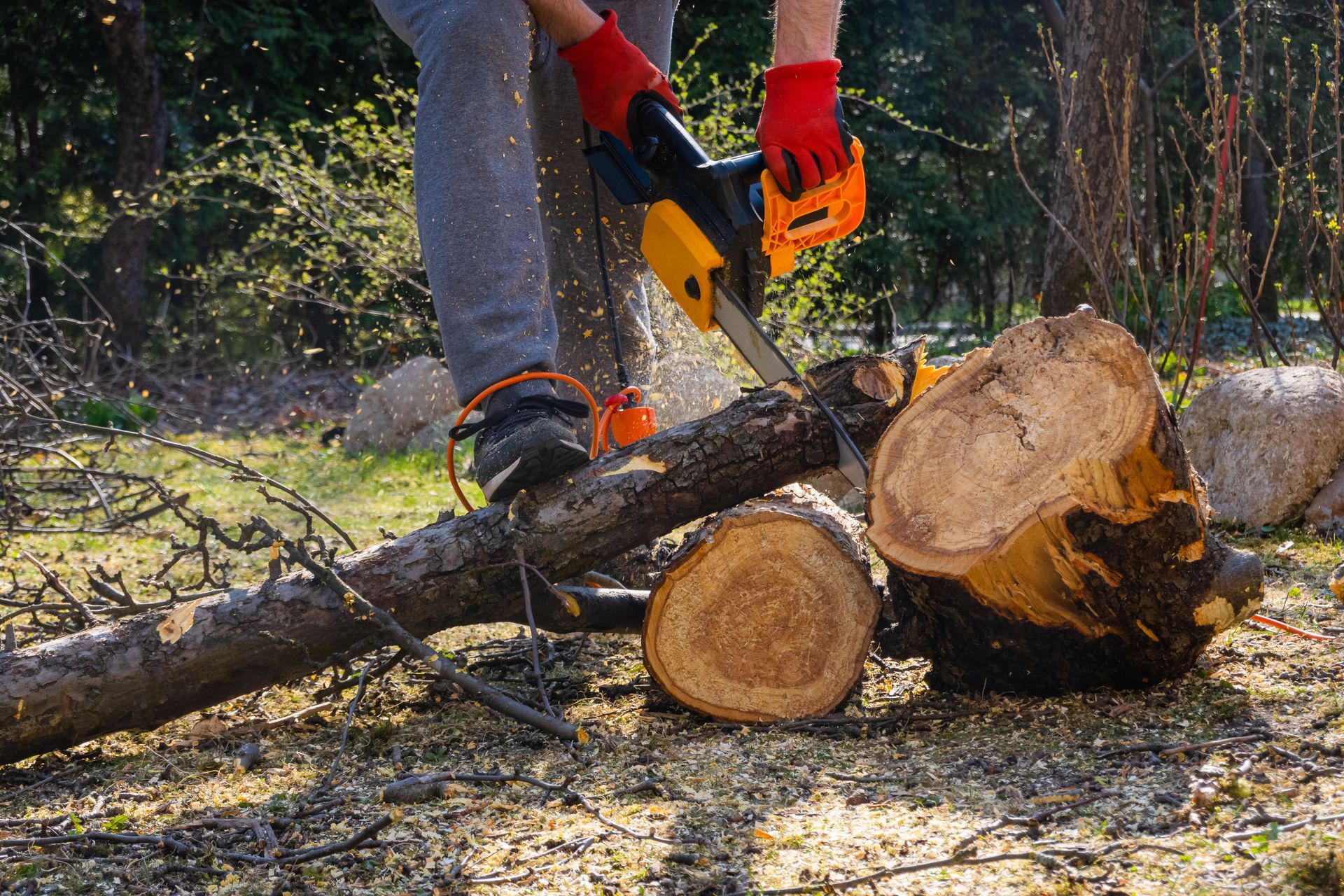
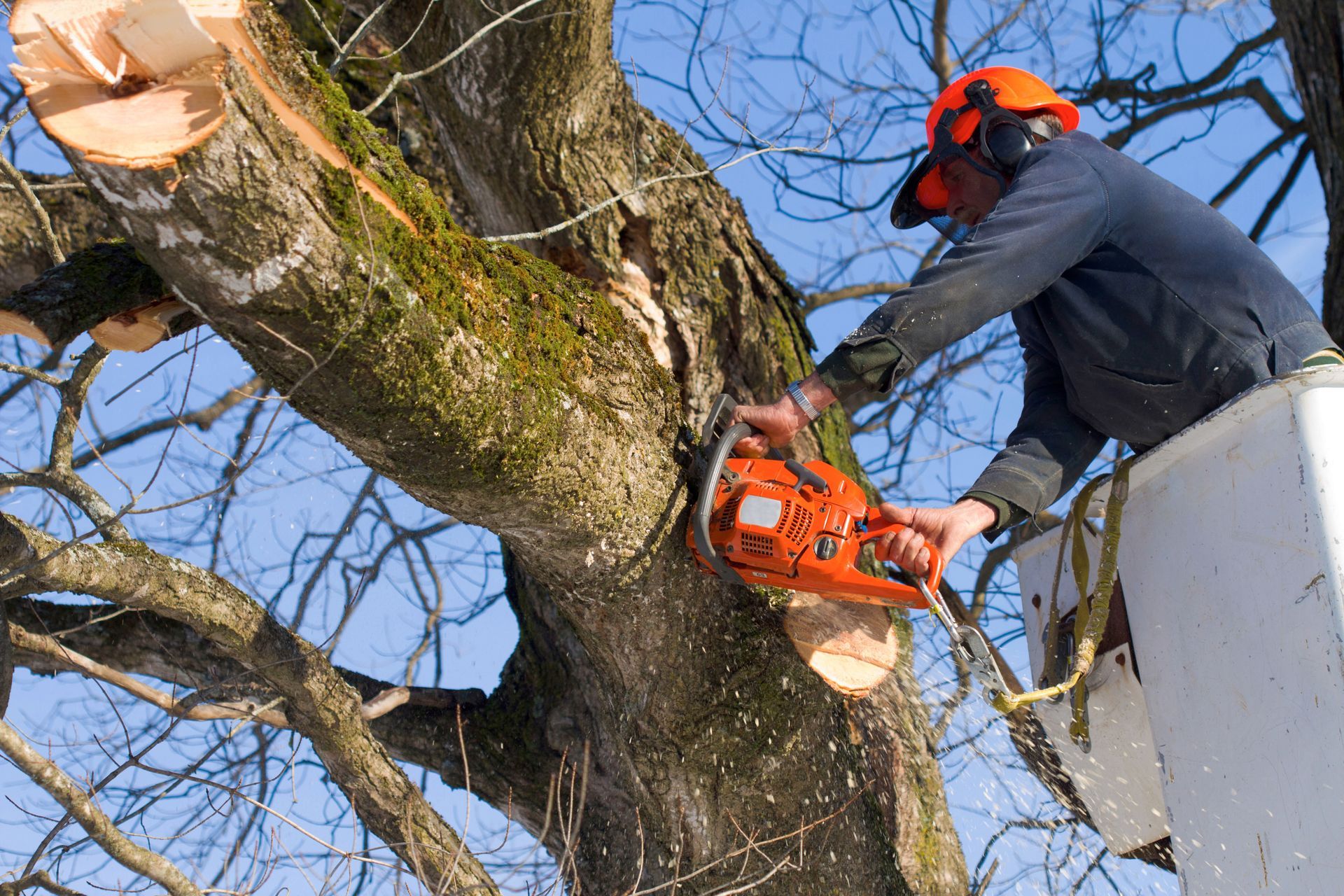
The process involves a coordinated effort between multiple team members using specialized tools. Safety gear, cranes, chainsaws, and rigging equipment are typical of a professional removal operation. These tools are used to dismantle the tree in sections, minimizing risks to property and people. The approach varies based on the tree's size, location, and the specific challenges presented by the environment. This meticulous process ensures safety and efficiency.
After the physical removal of the tree, the area is thoroughly cleaned and inspected. Remaining debris is cleared, and checks are made to identify any potential restoration needs. In some cases, stump grinding and land rehabilitation may be required. The goal is to restore the affected area to its original condition or better. These comprehensive steps underscore the importance of engaging professionals who offer end-to-end solutions.
2. Diseased or Infested Trees
How to Recognize Symptoms
Recognizing the symptoms of tree diseases is fundamental for maintaining healthy landscapes. Common indicators include yellowing leaves, stunted growth, and premature leaf drop. Fungal infections often manifest as discolored patches on the bark or unusual growths. Pest infestations can lead to visible holes, chewed leaves, or the presence of insects. Timely identification of these signs enables prompt intervention.
Understanding the specific disease or pest affecting a tree is crucial for appropriate treatment. Different species are susceptible to different pathogens and infestations. Expert advice can accurately diagnose and customize the treatment plan. Misdiagnosis or delay can lead to the rapid spread of diseases, impacting surrounding flora. Thus, professional assessments are vital in identifying and addressing tree health issues.
Being vigilant about the symptoms also helps in ecological preservation. Diseased trees can become sources of infection for nearby vegetation. By acting swiftly, the spread of disease can be contained, preserving other trees and plants. Effective disease management contributes to biodiversity and environmental balance. The proactive management of tree health aligns with broader goals of sustainable environmental stewardship.
The Impact of Tree Disease on Safety
Tree diseases can severely compromise the structural integrity and safety of trees. Weakened branches and trunks pose a risk of unexpected collapses, endangering nearby people and properties. The internal decay makes trees unable to withstand ordinary weather conditions, let alone severe storms. Compromised trees become liabilities rather than assets if not addressed promptly. Understanding these safety implications is crucial for effective risk management.
The continued presence of diseased trees without intervention can lead to catastrophic outcomes. As weakened trees collapse, they may damage power lines, homes, and other critical infrastructure. The impact extends beyond physical damage to legal consequences for property owners. Ensuring the safety of people and property requires proactive disease management and removal where necessary. This approach safeguards against unanticipated and often costly disasters.
Addressing diseases promptly prevents further deterioration and safety risks. It requires a cohesive action plan involving diagnosis, treatment, and in some cases, removal. Engaging experts equipped with the knowledge and tools for these efforts is essential. This not only protects immediate surroundings but contributes to overall community safety. Vigilance and action prevent the escalation of what begins as an internal tree issue into a significant public safety threat.
3. Trees Growing Near Power Lines
Legal and Safety Considerations
The proximity of trees to power lines introduces significant legal and safety considerations that must be addressed urgently. Local ordinances and safety regulations are in place to prevent accidents and ensure public safety. Maintenance of vegetation near power lines is often mandated to minimize risks of electrical outages and fires. Property owners are typically responsible for ensuring that trees on their land do not interfere with power infrastructure. Knowing and adhering to these regulations helps avoid potential liabilities and safety hazards.
Electricity and tree branches are a dangerous combination and can lead to devastating accidents. Contact between a tree and a power line can disrupt electrical service, cause fires, and pose direct threats to health and safety. Power outages resulting from such incidents can impact crucial services and lead to significant financial losses. Safety campaigns often emphasize keeping trees at a safe distance from power lines to avoid these risks. Ensuring adherence to safety standards is crucial for both community and individual safety.
The legal ramifications of not maintaining trees near power lines should not be underestimated. Property owners may face severe penalties if neglected trees result in damage to power infrastructure or broader safety concerns. Insurance policies may require compliance with maintenance regulations to provide coverage in the event of incidents. Therefore, maintaining clearances as prescribed is both a legal obligation and a practical necessity. Proactive management prevents legal complications and enhances overall safety.
Specialized Techniques for Removal
Removing trees near power lines involves specialized techniques and expertise to ensure a safe operation. Techniques such as directional felling are used to control the direction in which the tree segments fall. This technique reduces the risk of contact with power lines. In cases where this is not feasible, sections might be carefully lifted down using cranes or lines. These precision methods require skilled operators to ensure safety and precision throughout the process.
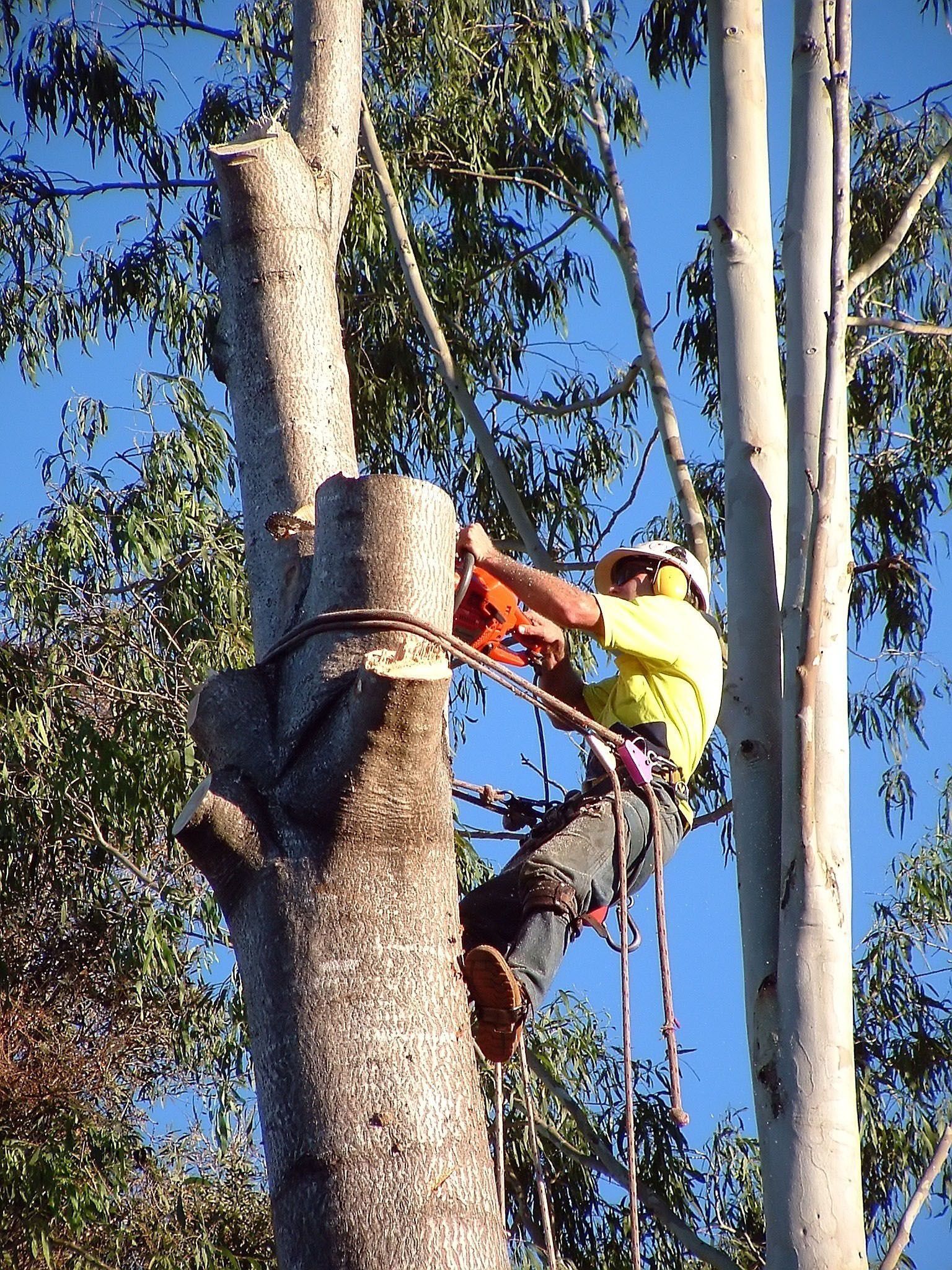
Advanced rigging techniques further minimize the risk of damage to power infrastructure. These may include cutting branches in a specific sequence to reduce the overall load on the tree, preventing uncontrolled collapses. Proper use of rigging materials, such as ropes and slings, allows for the exact control needed in such sensitive scenarios. Managing these complexities requires a team well-versed in high-risk tree removal. Their expertise minimizes risks that could result in electrical outages or hazardous situations.
Utilizing non-invasive technology aids in these operations, such as aerial lifts to access higher branches. This technology ensures workers remain a safe distance from power lines while executing removals. Such equipment enhances the safety and efficiency of operations in otherwise inaccessible areas. Employing these techniques requires extensive training and understanding of risk mitigation. Combined, these practices ensure trees are removed safely, efficiently, and with minimal environmental or infrastructural impact.
When your property's tree line has an emergency issue, timely intervention not only mitigates immediate risks but also prevents long-term consequences. If you're looking for a
tree removal company that can provide exemplary emergency service, reach out to our team at Alpha 1 Tree Experts Inc today!