August 12, 2026
Maintaining a thriving outdoor sanctuary requires constant attention to plant health, soil conditions, and environmental balance. While property owners often focus on watering, fertilizing, and planting new greenery, removing declining specimens plays an equally vital role in ecosystem management.
Carefully planned local tree removals allow surrounding vegetation to flourish by removing severe competition for light, moisture, and soil nutrients. When a dominant specimen becomes diseased or structurally compromised, its presence hinders the development of neighboring shrubs, flowers, and turf grass.
Understanding the ecological benefits of selective extractions empowers property managers to make informed decisions about property maintenance. Removing hazardous or failing specimens restores equilibrium to the landscape, creating optimal conditions for remaining plants to reach their full potential.
Strategic extraction serves as an essential tool for long-term outdoor vitality rather than a simple aesthetic change. By removing overgrown or declining specimens, you create space for fresh growth while protecting valuable flora from airborne diseases and aggressive pest infestations.
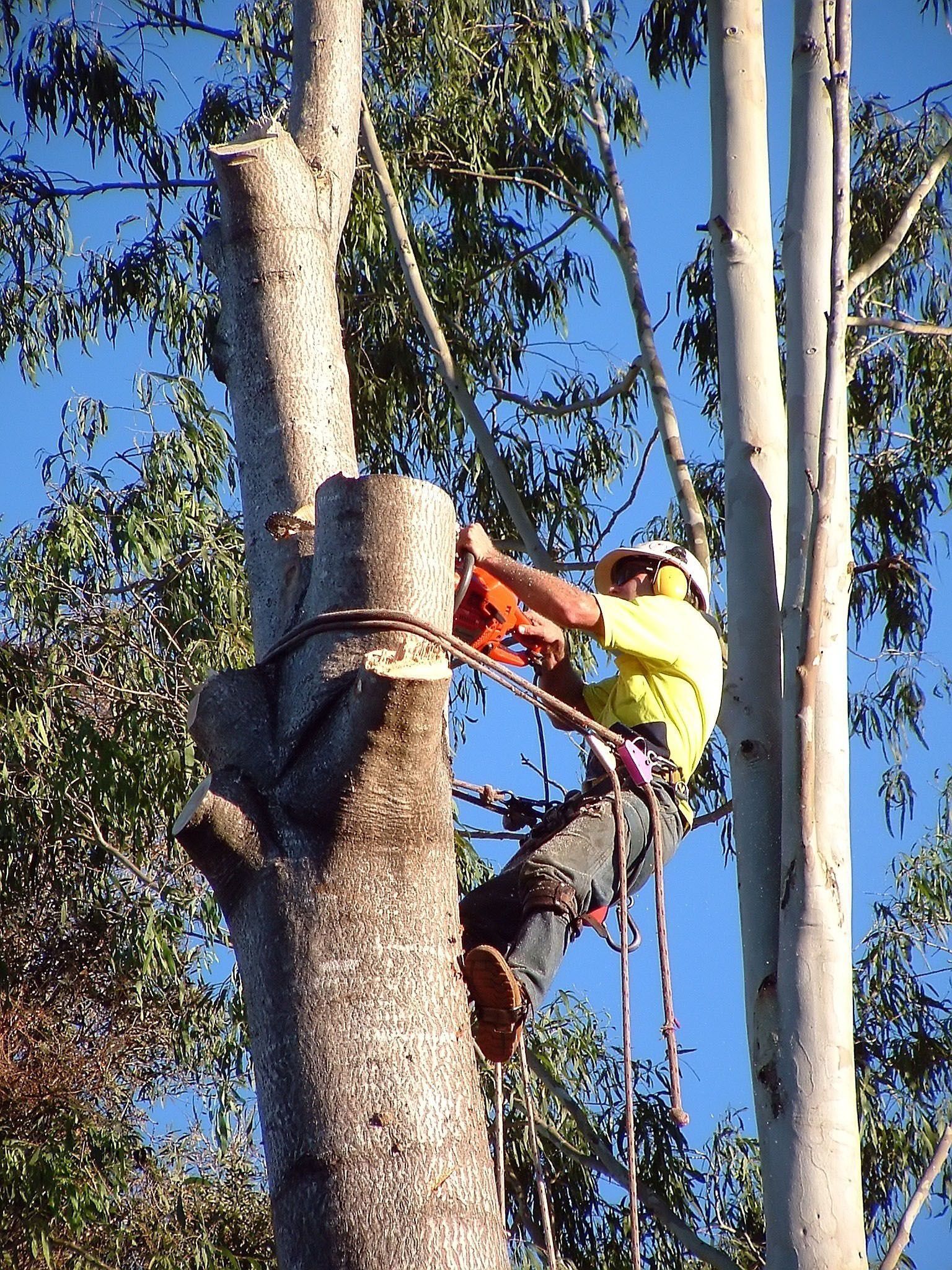
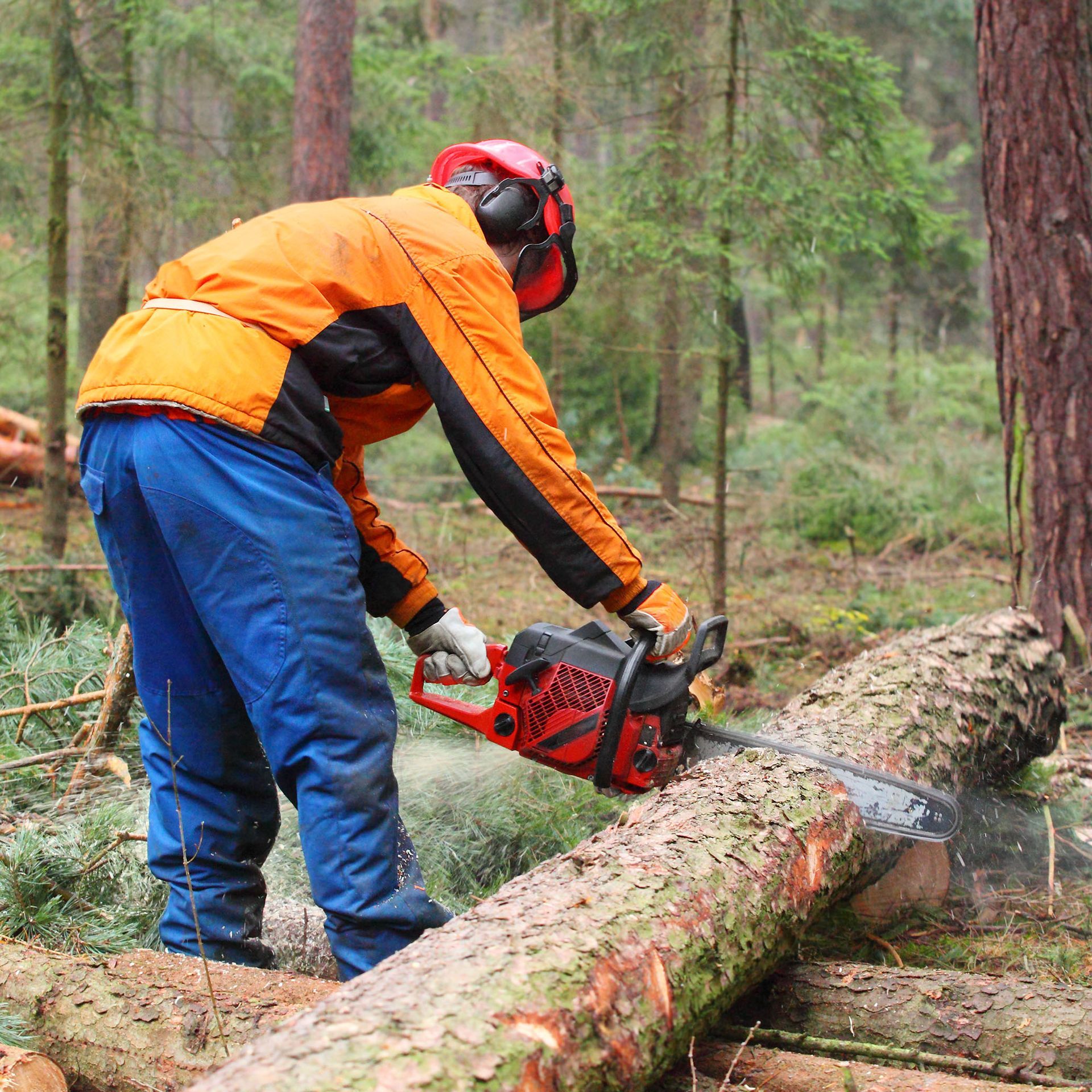
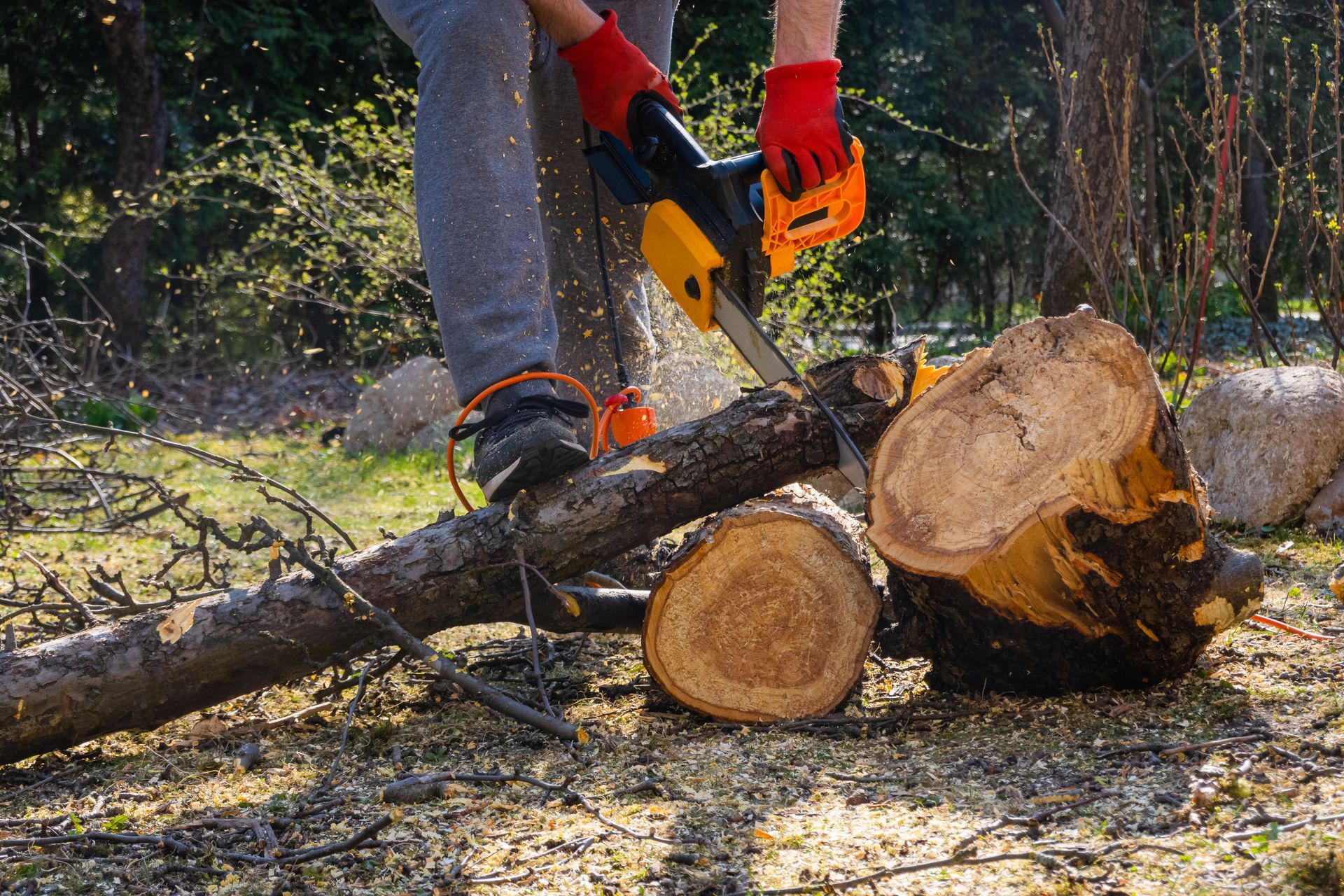
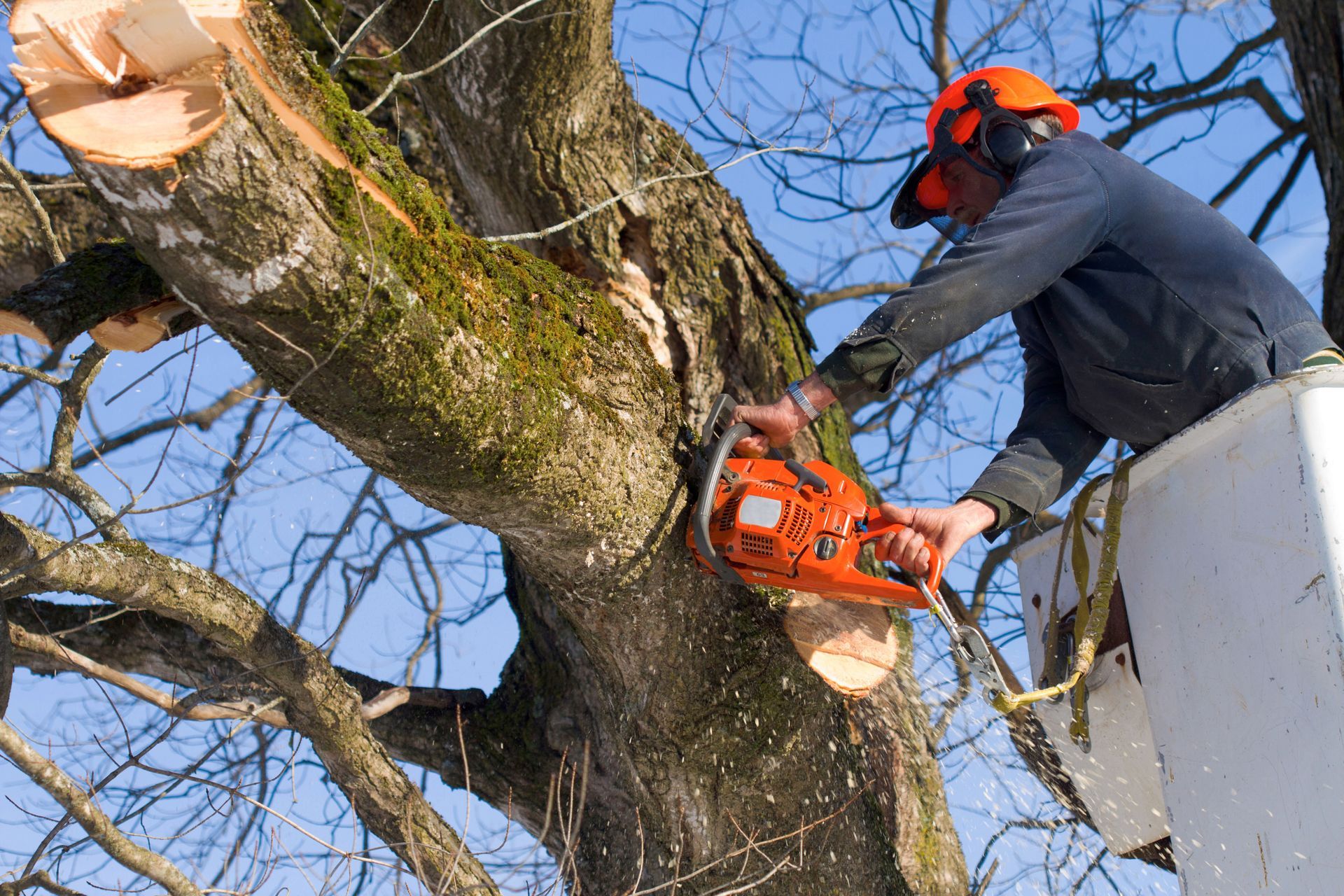
Investments in professional local tree removals safeguard the long-term vitality of entire outdoor spaces. Professional arborists evaluate canopy density, root distribution, and overall plant health to determine when extraction offers the best pathway toward ecological recovery.
Here is how removing compromised specimens directly enhances the overall vitality, beauty, and longevity of your outdoor environment.
Direct Essential Sunshine Toward Low Vegetation
A dense, overgrown canopy creates deep shade that starves underlying lawn grass, ornamental shrubs, and flowering perennials of necessary solar energy. Without adequate sunlight exposure, ground-level plants struggle to complete photosynthesis, leading to sparse foliage and weak root systems.
Executing targeted local tree removals opens up the overhead canopy, allowing warm sunlight to reach the ground. This influx of light revitalizes shaded turfgrass, encourages vibrant floral blooms, and supports dense groundcover growth across previously bare soil areas.
Increased solar exposure also accelerates morning dew evaporation on lower plant leaves. Reducing prolonged moisture accumulation lowers the likelihood of fungal outbreaks and mildews that thrive in damp, dark environments beneath heavy foliage.
Balancing shade and sunlight establishes a dynamic ecosystem where diverse plant species can thrive together. Lower vegetation receives the light required for robust development, transforming dull, shadowy zones into vibrant green spaces.
- Sunlight boosts natural photosynthesis across turf and groundcovers.
- Solar warmth dries lingering moisture to discourage mold growth.
- Light penetration encourages colorful blooms on understory shrubs.
Proper light distribution ensures that every layer of your landscape receives sufficient energy. Opening canopy gaps rejuvenates tired garden beds and breathes new life into struggling understory vegetation.
Eliminate Pathogen Spread Across Healthy Foliage
Diseased wood poses a constant threat to adjacent trees, shrubs, and garden beds. Fungal spores, bacterial infections, and harmful blights easily travel through airborne particles, insect vectors, or shared root systems to infect surrounding healthy plants.
Schedule timely local tree removals to isolate infectious outbreaks before pathogens migrate across the property. Eliminating an infected host plant removes the primary source of disease spores, protecting healthy flora from contagious decline.
According to the U.S. Bureau of Labor Statistics, nationwide employment for professionals specializing in tree trimming and pruning reached approximately 50,270 workforce members as of May 2023. Skilled professionals identify subtle signs of internal decay and systemic disease before symptoms spread to neighboring greenery.
Early intervention prevents widespread devastation that could require extensive property treatments or widespread plant replacements. Removing infected specimens preserves the health of surrounding mature trees and valuable landscape features.
Restore Vital Nutrients Within Depleted Soil
Large, mature trees consume massive quantities of soil nutrients and groundwater every day. When a tree enters a state of severe decline, it continues drawing vital resources from the earth without contributing to canopy health or shade value.
Performing essential local tree removals halts this continuous drain on valuable soil nutrients. Nearby shrubs, perennials, and turfgrass can finally access the nitrogen, phosphorus, and potassium necessary for vigorous seasonal growth.
Relieving subterranean stress allows soil microorganisms to thrive and recycle organic matter efficiently. Healthy soil biology supports robust root systems, improving drought resistance and overall plant vigor throughout hot summer months.
Moisture levels within the root zone become far more balanced once aggressive water absorption ceases. Surrounding plants gain consistent access to natural rainfall and irrigation without competing against a massive, thirsty root system.
Nurturing healthy soil foundations ensures long-term vitality for every garden bed. Eliminating resource-draining specimens gives younger plants the nutrients they require to establish strong, resilient roots.
Prevent Aggressive Root Competition Below Ground
Below the surface, extensive root networks spread far wider than the overhead canopy branches. Dominant roots wrap around neighboring plants, strangling smaller root systems and stealing vital moisture from shallow soil layers.
Relying on local tree removals resolves underground crowding issues before structural damage occurs. Removing aggressive root systems provides adjacent plants with ample room to expand their root networks safely and absorb nutrients freely.
Unchecked root growth can also disrupt underground utility lines, crack paved walkways, and undermine retaining walls. Extracting problematic specimens protects hardscape investments while creating a healthier soil environment for surrounding garden beds.
- Shallow root systems stop competing for surface soil moisture.
- Neighboring shrubs expand root structures without physical restriction.
- Hardscape elements remain protected from expanding root pressure.
Creating adequate below-ground space encourages deep root penetration for remaining trees and shrubs. Deeper roots anchor plants securely while accessing deep subterranean water reserves during dry spells.
Managing root density below the surface preserves both structural stability and plant health. Surrounding vegetation thrives when root systems enjoy unhindered access to expansive, nutrient-rich soil volumes.
Mitigate Structural Risks Facing Nearby Plants
Decaying or structurally unsound trunks pose severe physical hazards to surrounding vegetation during high winds and heavy storms. Falling branches can crush delicate garden beds, snap neighboring tree limbs, or destroy mature shrubbery.
Executing preventative local tree removals eliminates dangerous falling debris hazards before storm seasons arrive. Removing hazardous specimens safeguards your investment in landscaping features, protecting mature bushes, flower beds, and young saplings from devastating impact damage.
Overcrowded canopies often force individual trees to grow at awkward angles as they search for light. These lopsided growth patterns create structural weaknesses that increase the likelihood of unexpected trunk failures during severe weather events.
Clearing space around healthy specimens allows them to develop symmetrical, structurally sound canopy architectures. Balanced trees withstand heavy winds far better than overcrowded plants leaning precariously toward open sky.
Proactive risk management ensures a safe environment for family members and delicate outdoor flora. Removing dangerous wood protects valuable property features while fostering a balanced canopy layout.
Promote Balanced Airflow Throughout Garden Canopies
Stagnant air trapped within dense foliage creates an ideal breeding ground for destructive insects and fungal infections. When trees grow too closely together, air currents cannot move freely through the leaves and branches.
Integrating targeted local tree removals restores natural wind circulation across the entire landscape. Improved air movement dries wet foliage quickly, reducing fungal spore germination and keeping foliage clean and healthy throughout humid weather.
Free airflow also discourages wood-boring insects and sap-sucking pests that prefer sheltered, humid environments. Moving air disrupts pest movement and encourages natural predators to patrol open canopy spaces effectively.
Balanced atmospheric conditions beneath the canopy foster healthy foliage development from ground level to the highest branches. Plants experience less stress and demonstrate greater natural resistance against environmental pressures.
Sustaining optimal ventilation across your property creates a clean, fresh environment where plants thrive naturally. Enhanced airflow supports overall landscape health while reducing the need for chemical sprays.
Partner with the dedicated professionals at Alpha 1 Tree Experts Inc to revitalize your outdoor environment and protect your valuable plant investments today.