March 31, 2026
Understanding the importance of proper tree maintenance and the various services available can help homeowners make informed decisions about the health and safety of their landscape. Through comprehensive tree care, homeowners can enjoy enhanced safety, improved aesthetics, and increased property value. By understanding and implementing the appropriate tree services, homeowners not only protect their investment but also contribute to environmental stewardship and sustainable practices.
1. Tree Pruning and Trimming
1.1 Benefits of Regular Pruning
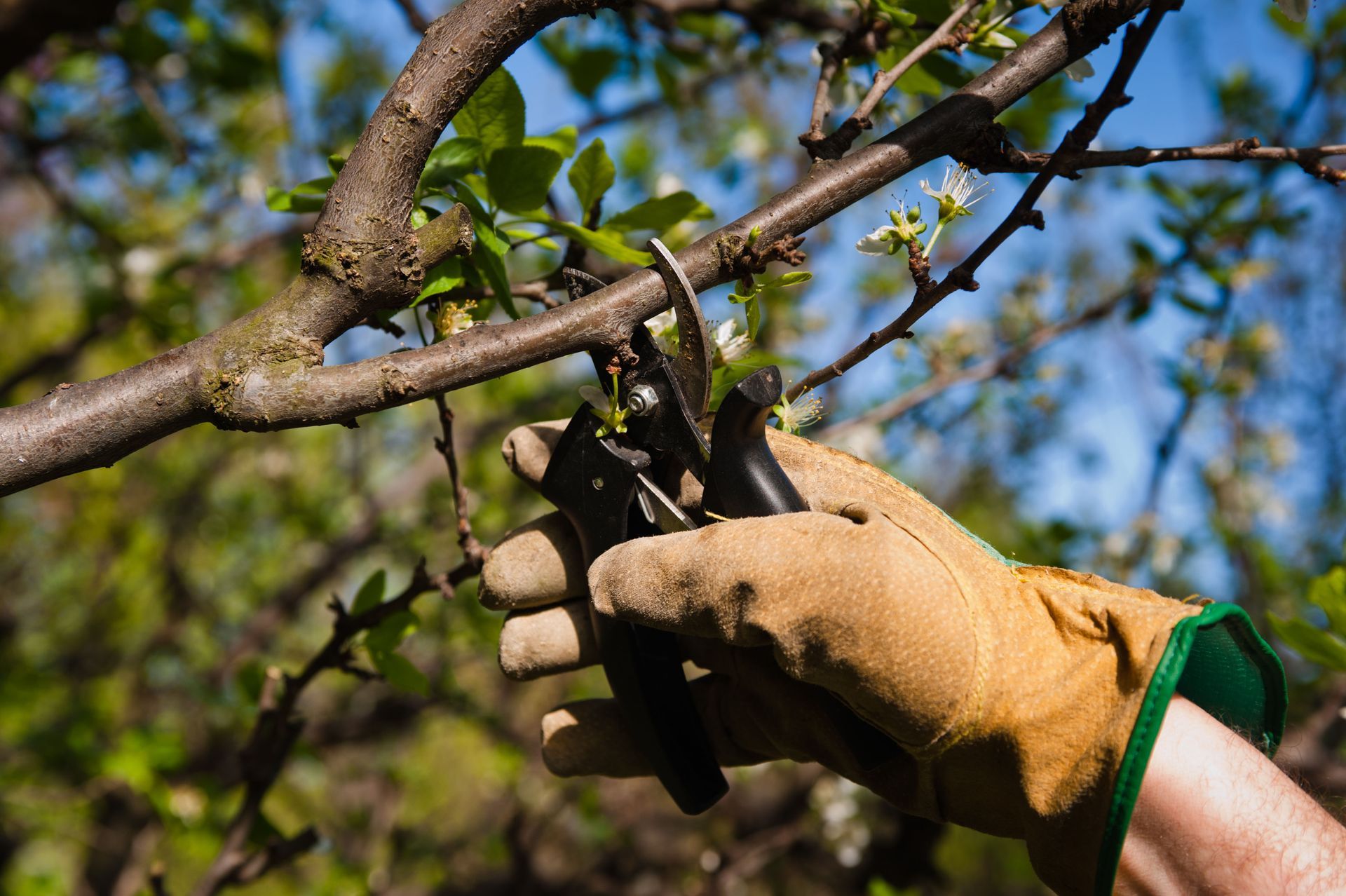
Tree services, such as pruning and trimming, are essential practices for maintaining the health and structure of trees. Regular pruning removes dead or diseased branches, which can prevent pest infestations and diseases from spreading. This practice not only extends the life of the tree but also enhances its appearance by promoting a balanced and open canopy. A well-pruned tree can improve air circulation, allowing sunlight to penetrate and nourish understory plants. Moreover, by eliminating potential hazards, pruning contributes to a safer environment around homes and public spaces.
Furthermore, maintaining a safe distance between tree limbs and rooflines is crucial to avoiding property damage and pest issues. According to PestWorld.org, tree limbs should be trimmed six to eight feet away from your roofline to help prevent squirrels from entering your home. By adhering to these guidelines, homeowners protect their property from unnecessary wear and tear and avoid potential wildlife infestations. This preventative measure ultimately saves money and stress by reducing the risk of damage and increasing the overall safety of the property.
1.2 Assessing the Right Time for Trimming
Determining the optimal time for tree services, like tree trimming, is critical to ensuring the health and growth of trees. While specific timing may vary based on tree species, climate, and growth cycles, a few general guidelines can help. Typically, dormant seasons—late fall to early spring—are best for most trees. During dormancy, trees are less susceptible to stress and diseases because active growth slows down.
In particular, homeowners should avoid trimming during peak growth seasons such as late spring and summer. Trimming at the wrong time of year can remove vital nutrients stored in new growth, hindering overall vitality. However, in cases of diseased or hazardous limbs, immediate trimming may be necessary despite seasonal timing. For flowering trees, post-bloom pruning ensures blossoms for the following season aren't sacrificed. Understanding the timing nuances of tree trimming provides homeowners with the knowledge to maximize their trees' health and aesthetics.
1.3 Tools and Techniques for Effective Pruning
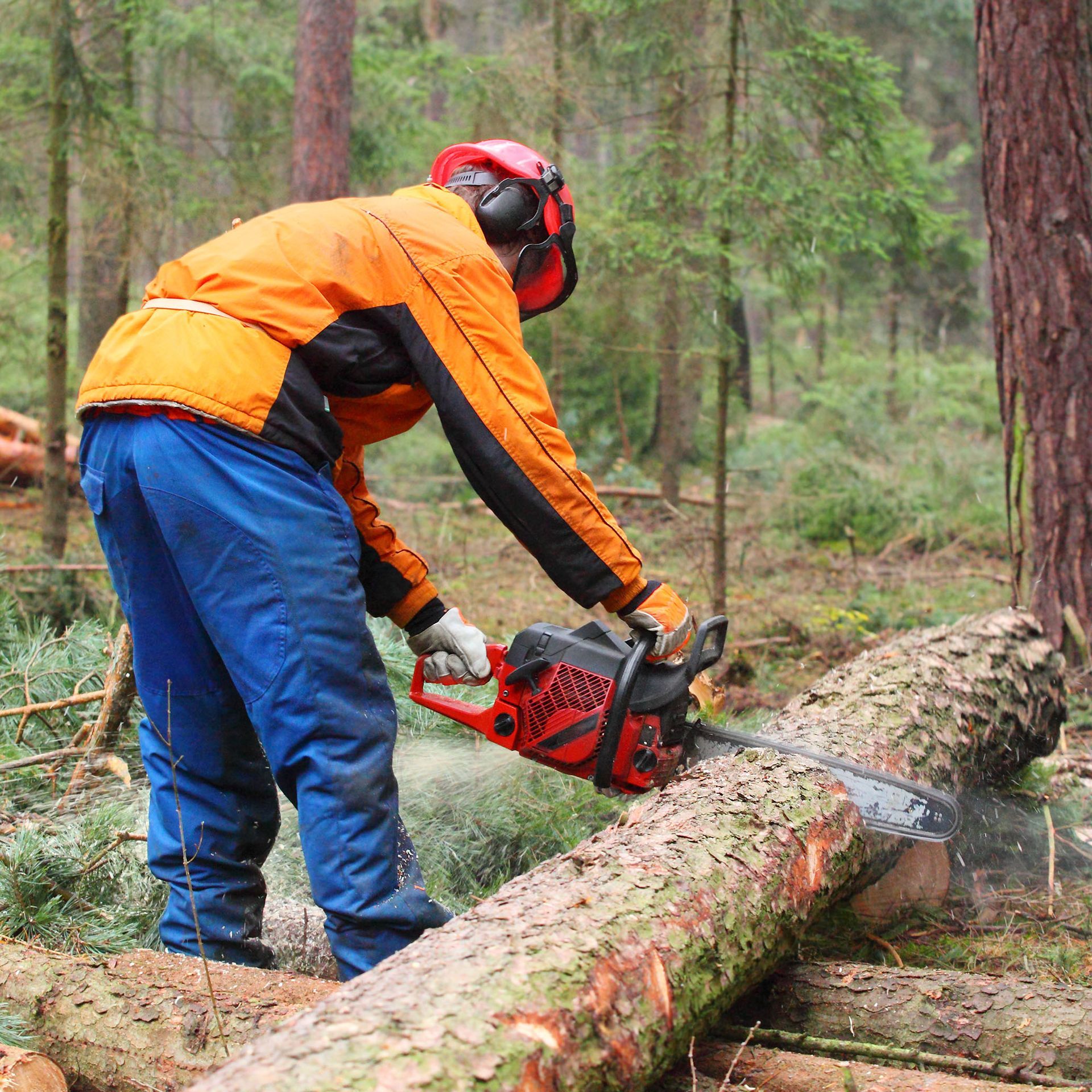
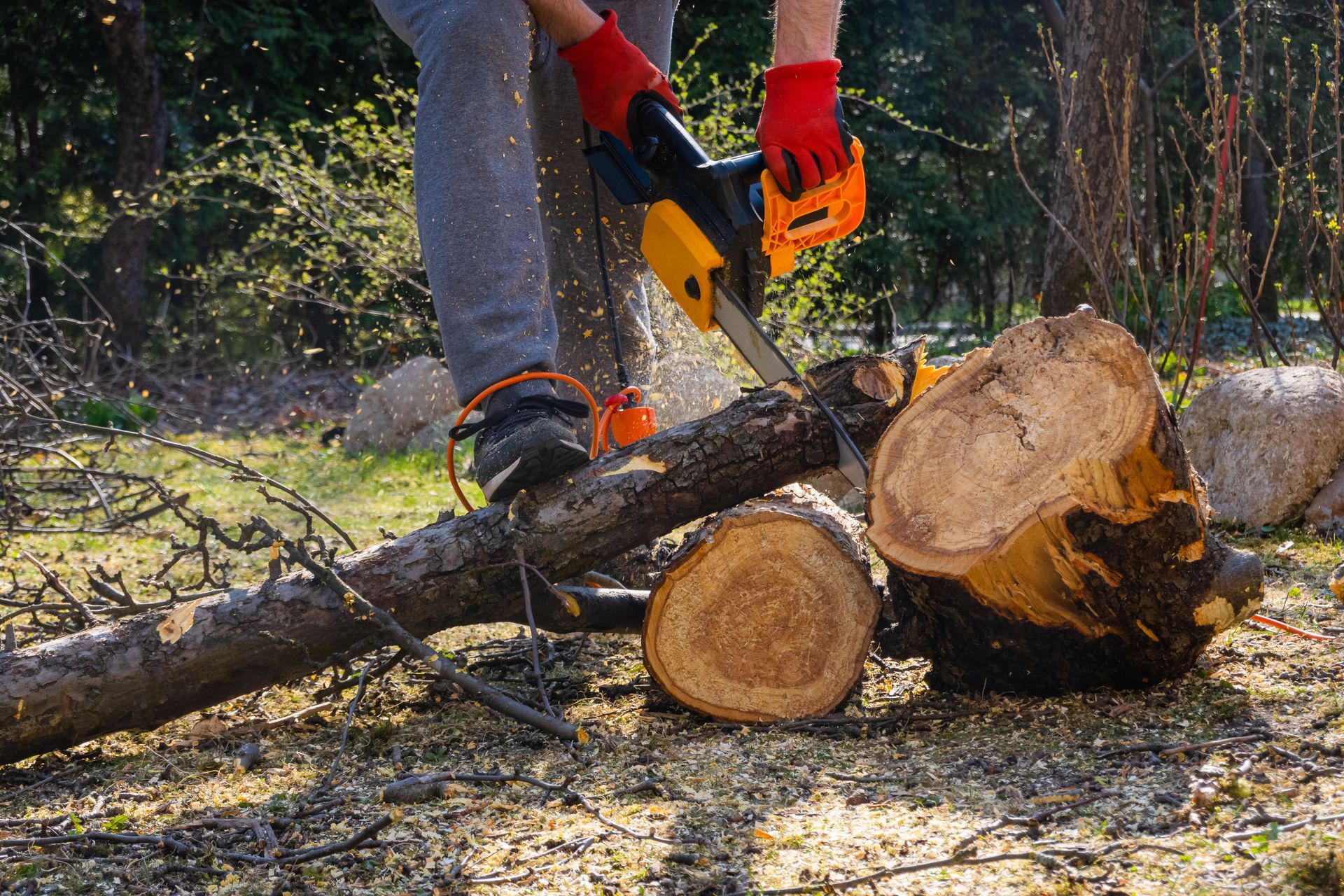
Using the right tools and techniques for tree services is essential to conducting effective and safe tree pruning. The choices range from basic hand tools, such as pruners and loppers, to more advanced equipment like chainsaws for thicker branches. Ensuring tools are sharp and well-maintained enhances precision and reduces the chance of injury to both the user and the tree. Proper sterilization of tools before and after use helps prevent the spread of diseases between plants and ensures healthy cuts.
Techniques employed in pruning can heavily influence tree development and health. For effective pruning, employ the three-cut method for larger branches to prevent trunk damage. Start with an undercut several inches from the branch’s base, then proceed with a top cut slightly farther out. Finally, remove the remaining stub near the branch collar to facilitate clean healing.
2. Tree Removal Services
2.1 Indicators That a Tree Needs Removal
Identifying when a tree requires removal is critical for ensuring safety and preventing damage to property. Common signs include dead or dying branches, trunk decay, and significant leaning. Trees with extensive fungal growth, especially on the trunk or root base, may indicate internal decay. If roots are exposed or the ground around the tree is heaving, it suggests instability, posing risks during storms.
Homeowners should also consider disease and pest infestations as potential indicators. Routine inspections can reveal these concerns before they escalate into critical issues. If an infestation is beyond control or the tree suffers from incurable diseases, removal may be the most viable option. Besides health concerns, aesthetics and functionality often become factors when trees obstruct sightlines, crowd landscapes, or outgrow their designated space. Removing such trees allows for better space utilization and harmonious landscape design.
2.2 Understanding Tree Removal Costs
Tree services costs vary widely, influenced by factors such as tree size, location, complexity, and additional service requirements. Large trees with extensive root systems generally incur higher costs due to increased labor and specialized equipment needs. Proximity to structures or power lines can complicate removal, necessitating careful planning and safety measures. Furthermore, costs may include stump grinding, debris removal, and subsequent landscape restoration.
Regional pricing, seasonality, and accessibility also affect removal expenses. Peak seasons, such as post-storm recovery times, may see increased demand and thus, higher costs. Conversely, scheduling during off-peak periods might provide cost advantages. Homeowners should seek quotes from multiple reputable companies, ensuring transparency in pricing and services included.
2.3 Choosing a Professional Tree Removal Service
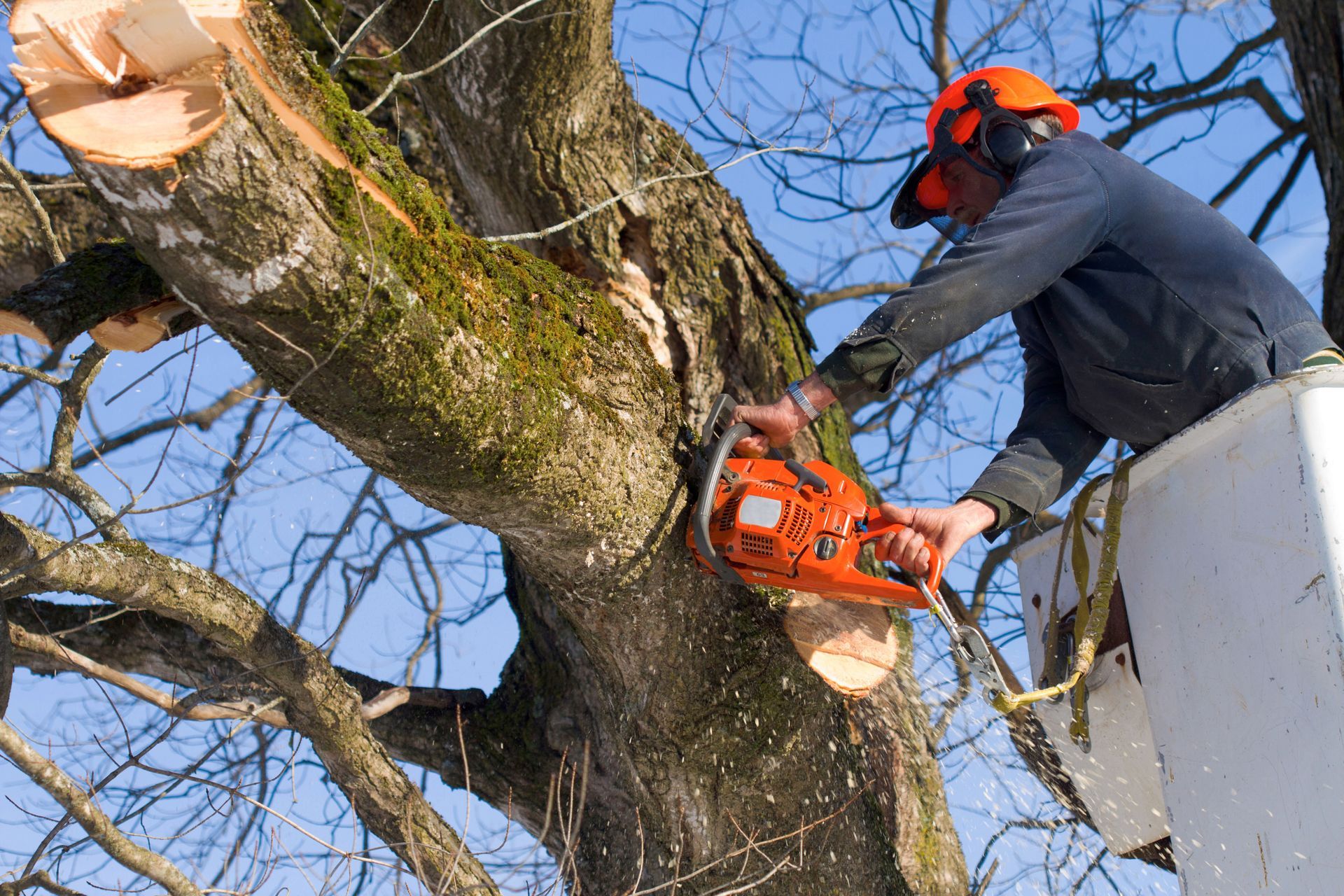
Selecting a reliable professional tree removal service involves meticulous research and consideration. Begin by checking the company’s credentials, including certifications, licensing, and insurance coverage. Certified arborists bring a level of professionalism and expertise that assures safety and competency in tree removal. Insurance is essential for protecting homeowners from potential liabilities in case of accidents or property damage.
Experience and client testimonials are also valuable indicators of a service’s quality and reliability. Reputable companies will provide references and examples of past projects upon request. Assess the company’s safety protocols, equipment, and personnel training to ensure compliance with industry standards.
3. Stump Grinding and Removal
3.1 Why Stump Removal Is Necessary
Stump removal is a crucial aspect of total tree removal that ensures landscape functionality and aesthetics. Residual stumps pose various issues, such as attracting pests like termites and ants, which can spread to other areas of the property. The decaying wood can become a breeding ground for fungi and diseases, potentially impacting nearby vegetation. Their presence often interferes with lawn maintenance, creating obstructions during mowing and leading to potential equipment damage.
Beyond practical concerns, stumps hinder aesthetic appeal and may lower property value. A clear lawn offers versatility in landscaping choices, enabling uniformity and design continuity within outdoor spaces. Homeowners interested in replanting or repurposing garden areas benefit from removing stumps to free up space.
3.2 Stump Grinding Techniques
Stump grinding is a widely preferred method for addressing tree stumps due to its efficiency and environmentally friendly nature. This method involves the use of a stump grinder, which mechanically chips away at stumps, reducing them to wood shavings or mulch. The depth and extent of grinding depend on subsequent landscaping or planting plans. Grinding preserves the surrounding environment and often requires minimal disturbance to the landscape.
The stump grinder's design allows for high adjustability, accommodating stumps of varying sizes and shapes. Ensuring proper training and safety measures when operating this machinery enhances both precision and staff safety. Protective gear, such as goggles and ear protection, is essential for operators, with site assessments identifying underground utilities or obstacles before grinding commences.
3.3 Chemical Stump Removal: Pros and Cons
Chemical stump removal presents an alternative method through the application of chemicals designed to accelerate the decay process. This approach is less labor-intensive and typically yields slower results compared to mechanical grinding. Chemicals, such as potassium nitrate, are applied to drilled holes in the stump, gradually breaking down wood fibers over several weeks or months.
Maintaining healthy trees and managing their removal or replacement requires a strategic approach that balances safety, aesthetics, and long-term landscape health. Regular pruning and trimming support tree vitality while preventing hazards, whereas timely removal of diseased or unstable trees protects property and ensures the safety of residents. Stump grinding or chemical removal completes the process, restoring functionality and visual appeal to outdoor spaces. By leveraging professional tree services and following best practices, homeowners can preserve the beauty and value of their property while fostering a safe, sustainable, and thriving environment. Protect your property and enhance your landscape’s safety and beauty by contacting Alpha 1 Tree Experts Inc for expert tree care and removal services today.