March 13, 2026
Understanding the necessity and intricacies involved in tree removal is vital for homeowners looking to safely and efficiently manage their outdoor spaces, including professional tree removals. This guide provides a comprehensive look into the step-by-step procedures that ensure a successful tree removal process, focusing on safety, preparation, execution, and post-removal care. According to Grand View Research, more tree service companies are adopting eco-friendly disposal and recycling practices, with 30% of firms now offering wood recycling or mulching services. This shift reflects a growing emphasis on sustainability, responsible land management, and minimizing environmental impact during tree removal projects and modern tree removals.
Assessing the Need for Tree Removal
Identifying Hazardous Trees
Hazardous trees pose a significant risk to both property and personal safety. Identifying these trees is a crucial first step in the removal process and helps ensure safe and effective tree removals. Look for signs such as dead or dying branches, leaning trunks, or cracked soil at the base, which indicate instability. Additional indicators may include visible fungi growth on the trunk, which suggests internal decay.
Evaluating Tree Health
Tree health should be thoroughly evaluated to understand whether removal is essential or if treatment could salvage the tree. Observing the foliage health is critical; discoloration, leaf drop, or sparse canopy could suggest disease. Examine the bark for peeling or missing areas that reveal underlying wood, which is a sign of poor health. Roots play a crucial role in evaluating health; visible damage or decay can indicate severe problems.
Considering Aesthetic and Landscape Factors
While safety and health are primary concerns, aesthetic and landscape considerations also play a role in deciding tree removal. Overgrown trees may block scenic views or overshadow garden features, diminishing overall aesthetics. Consider the landscape's design and how the tree fits into long-term plans for the area.
Preparing for Tree Removal
Gathering Necessary Tools and Equipment
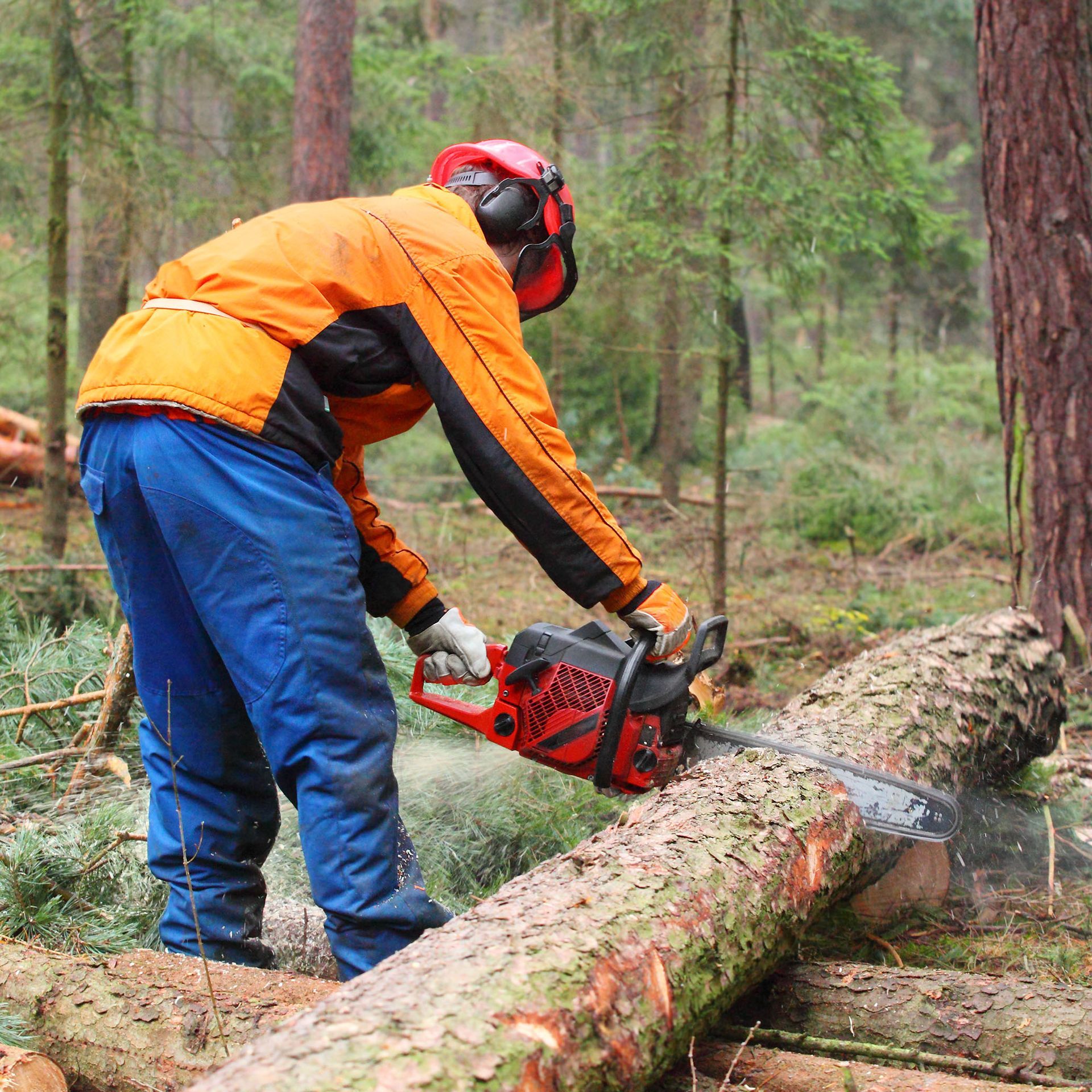
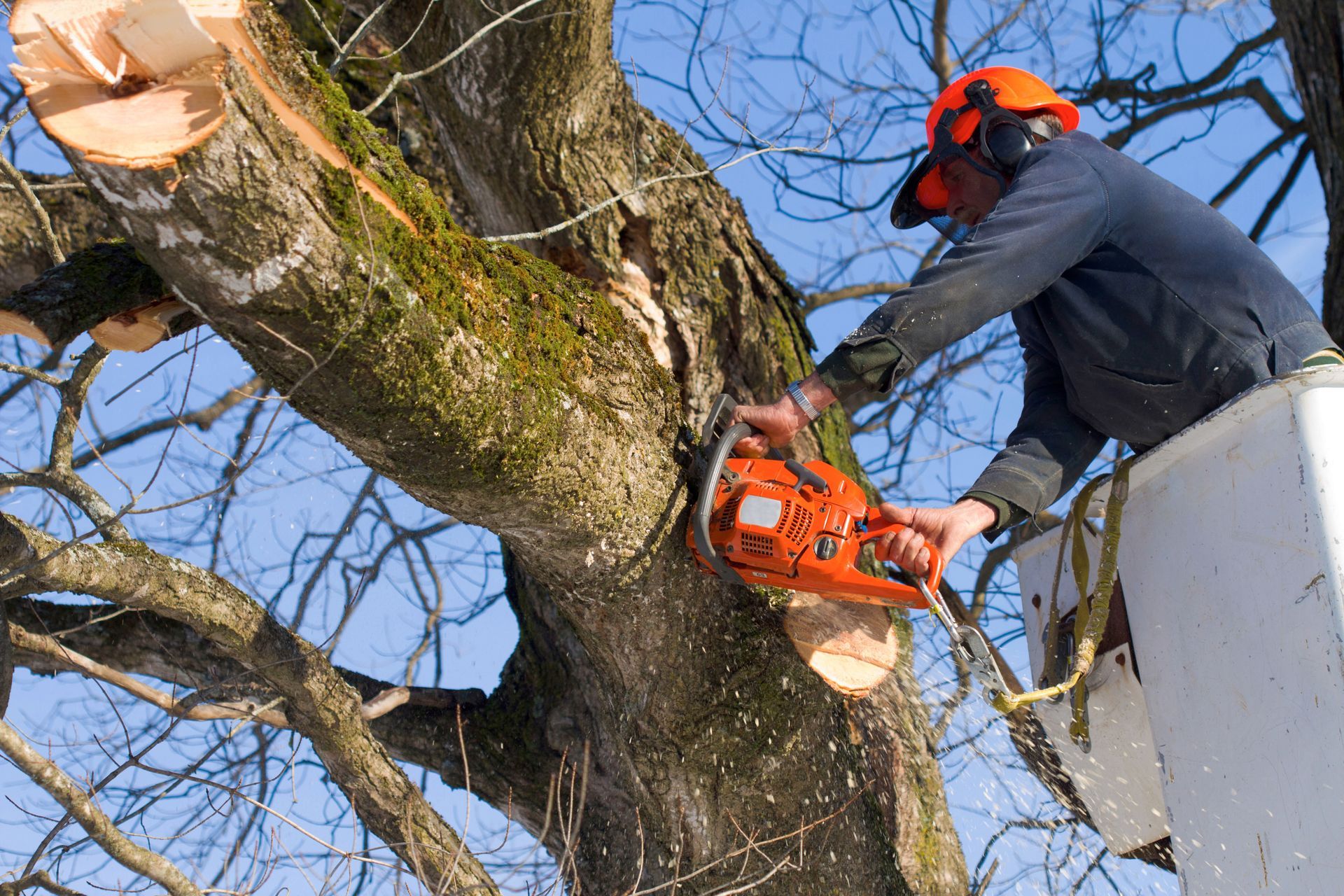
Preparation for tree removal requires assembling the right tools and equipment, especially when planning larger or more complex tree removals. Basic tools include chainsaws, axes, pruning tools, and safety gear such as helmets, gloves, and goggles. For larger trees, more advanced equipment like cherry pickers or cranes may be necessary to manage heavy branches safely. Ensuring that all tools are in good working condition before starting the removal is pivotal to a safe and efficient process.
Informing Neighbors and Stakeholders
Informing neighbors and stakeholders about the removal project is an essential courtesy and may be required in some communities. The noise and possible temporary disruption, such as road or driveway obstructions, can impact their daily lives. Communicating in advance can also help identify any concerns neighbors may have, such as the effect on shared property lines or landscape aesthetics. Being transparent helps maintain good relationships and minimizes neighborhood conflicts. Using signage and notifications ensures everyone is adequately informed.
Planning for Cleanup and Disposal
Effective cleanup and disposal planning is an integral component of the tree removal process. Arrangements need to be made for the disposal of wood, branches, leaves, and other debris generated. With eco-friendly practices on the rise, consider options such as recycling wood into mulch or wood chips. Ensuring proper disposal complies with environmental regulations and makes the process more sustainable.
Executing the Tree Removal
Setting Up the Work Area
Setting up the work area effectively is an essential first step when executing tree removal. Ensuring all tools are organized and accessible reduces delays during the process and increases safety. Identify potential hazards such as power lines, unstable ground, or nearby structures that might be affected by falling branches. Clear any movable obstacles from the area to prevent accidents and streamline operations. Proper setup supports an efficient and safe working environment for all involved.
Sectioning the Tree for Safe Removal
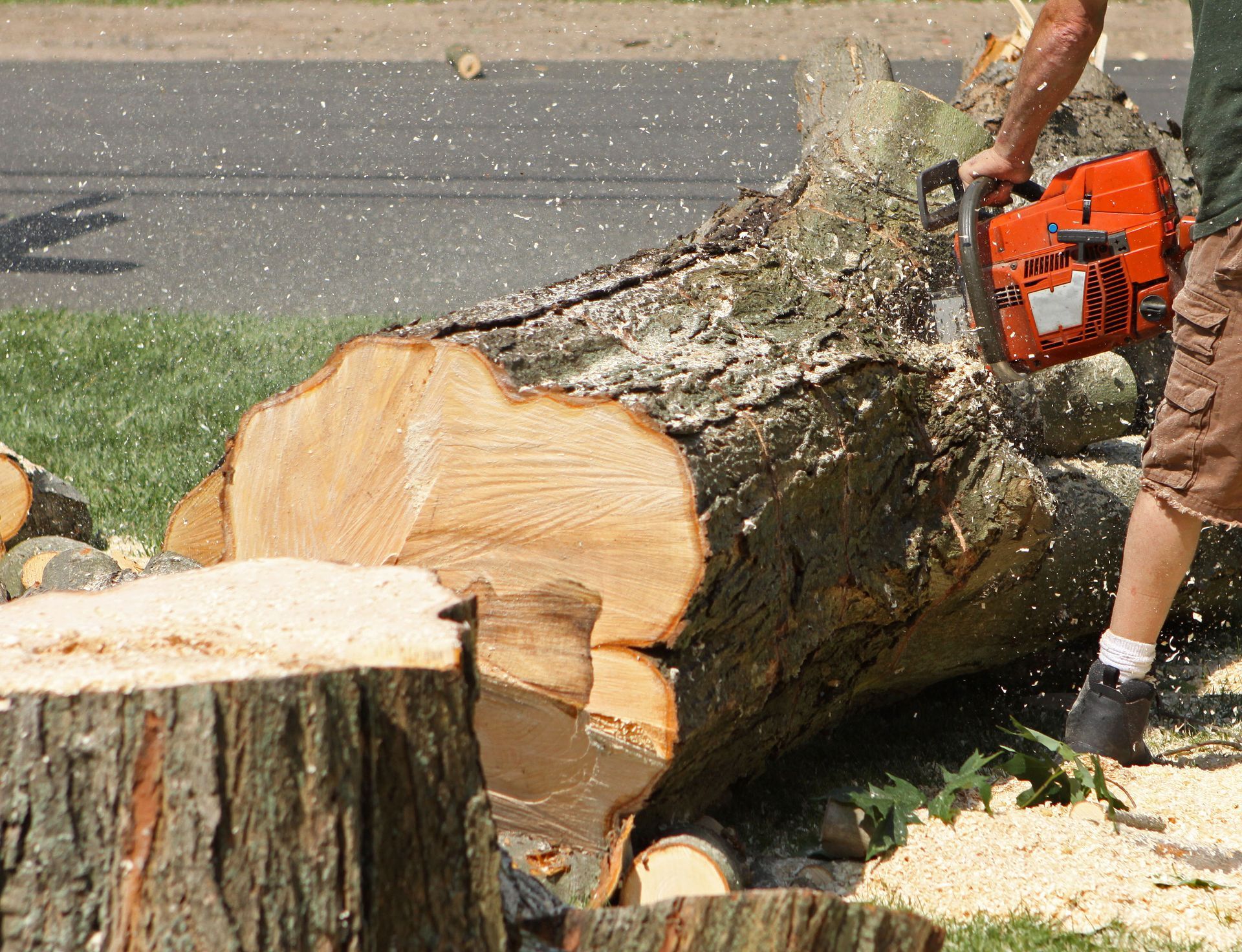
Sectioning the tree into manageable parts ensures safer removal, particularly for large trees. Start from the top, removing branches strategically to control direction and minimize risk of accidents. Using ropes or other supports can help guide sections safely to the ground. This incremental approach reduces the overall impact of falling debris, protecting property and personnel. Understanding the tree's structure and weight distribution is vital in making effective cuts.
Using the Right Cutting Techniques
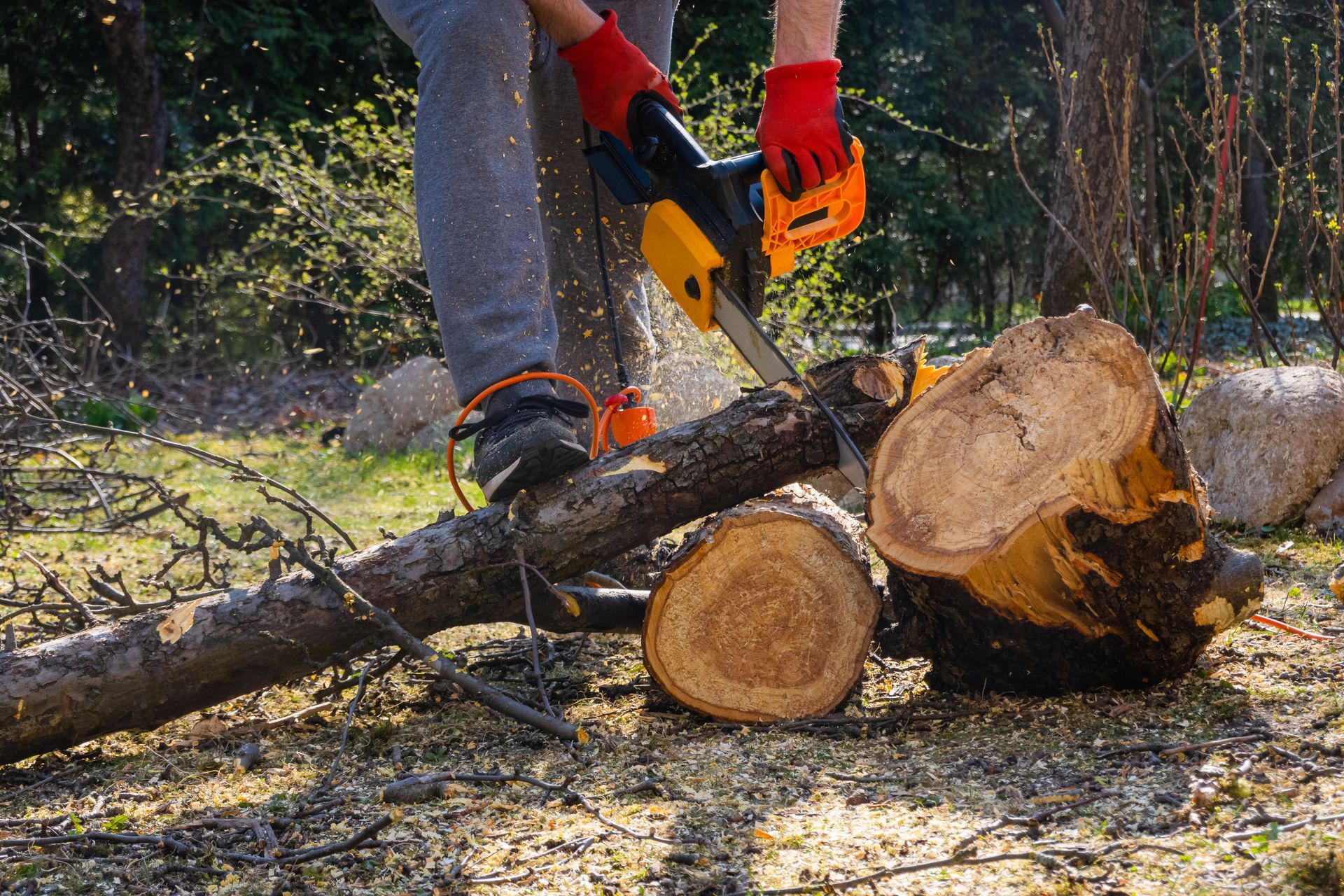
Employing the correct cutting techniques is essential for efficient and effective tree removal. Different techniques, such as the notch and back cut, are used to control the direction of tree or branch falls. Understanding grain patterns and weight distribution helps predict movement and plan cuts accurately. A precise technique minimizes tree shock and prevents splintering. Proper training or consultation with skilled personnel ensures cuts are executed safely.
Removing and Grinding the Stump
Deciding Between Removal and Grinding
Deciding between stump removal and grinding involves understanding their benefits and limitations. Stump removal extracts the entire stump and root system, eliminating any regrowth risk but leaving a sizeable hole that needs filling. Grinding, on the other hand, is more efficient and leaves the roots to decay naturally, maintaining landscape appearance but potentially allowing minor root regrowth. Factors such as cost, intended future landscaping, and personal preference influence this decision. An examination of these elements helps conclude the right solution for your situation.
Techniques for Stump Grinding
Stump grinding involves the use of specialized equipment to shred stumps into wood chips. The process begins with cutting the stump as close to the ground level as possible to facilitate efficient grinding. Operating the grinder requires situational awareness and careful maneuvering to avoid damaging surrounding areas. Post-grinding, wood chips can be repurposed for mulching, supporting eco-friendly disposal practices. Expertise in operating grinding machinery ensures precision, efficiency, and safety throughout the process.
Techniques for Stump Removal
Stump removal entails extracting the entire tree base from the ground, roots included. Techniques often involve using heavy machinery such as excavators, requiring skilled operators to prevent damage to neighboring structures or landscape features. Hand tools like shovels and root saws may supplement the process for smaller roots. This method effectively prevents regrowth and allows for new planting. Proper technique minimizes disruption to soil and subsequent site restoration efforts.
Aftercare and Landscaping
Replanting and Restoration Options
Following tree removal, replanting and restoration play a key role in restoring landscape health and aesthetics. Opt for native species that complement existing vegetation and improve biodiversity. Sectioning areas with diverse planting can enhance visual appeal and create wildlife habitats. Consider the spacing and future growth to prevent overcrowding and ensure continued ecosystem balance. Careful restoration revitalizes the removed area while considering future sustainability and beauty.
Maintaining Soil Health
Maintaining soil health after tree removal ensures robust future plant growth and ecosystem stability. Regular soil testing informs necessary amendments, such as lime or organic additives, to balance pH and nutrient levels. Using mulch derived from removed tree material helps retain moisture and regulate soil temperature. Encouraging beneficial organisms in the soil fosters a balanced environment supportive of robust plant roots. Committed soil care safeguards long-term landscape productivity and appearance.
Enhancing Aesthetics After Removal
Post-removal, aesthetic enhancements cultivate a visually pleasing landscape. Planting flowerbeds, installing pathways, or adding garden fixtures enriches the area vacated by the tree. Consider mixed materials and colors to achieve dynamic compositions and improved curb appeal. Utilizing design principles such as symmetry, proportion, and balance optimizes the restored area's visual interest. Artful enhancements contribute positively to the landscape's charm and the property’s overall value.
Proper tree removal is a multifaceted process that demands attention to detail, safety, and future planning. By thoroughly understanding each step, from assessment to aftercare, homeowners can ensure that their tree removal projects are not only successful but also enhance the value and beauty of their properties through responsible tree removals. For expert guidance and reliable service you can trust, contact Alpha 1 Tree Experts Inc today to schedule a consultation and ensure your tree removal is handled safely and efficiently.