April 7, 2026
Transforming unused, overgrown land into spaces of opportunity is essential for development, and land clearing companies are at the forefront of making that happen. Through a combination of specialized techniques, advanced technology, and careful regulatory compliance, these companies unlock the potential of neglected landscapes for construction, agriculture, and public infrastructure. Understanding how they operate — and what drives their decisions — reveals just how complex and consequential this work truly is.
Understand the Importance of Land Clearing
Land clearing serves as a foundational step in development, setting the stage for construction, agriculture, and other significant land uses. By removing overgrown vegetation and debris, land clearing companies create spaces that are safer and better suited for intentional human activity. Well-cleared land also supports improved land management, reducing the risk of wildfires in areas prone to dense overgrowth. From highways and parks to new neighborhoods and community centers, cleared land enables the public infrastructure that drives local economies forward.
Different land types present unique challenges that require tailored approaches. Forest lands with dense trees and underbrush demand heavy machinery, while agricultural fields may need targeted removal of invasive species. Urban lots often involve clearing old structures and debris, and wetlands require especially careful methods to preserve sensitive habitats while still meeting land use objectives. Residential developments call for meticulous planning to remove non-native vegetation and properly level the ground before building can begin. Regardless of the setting, matching the right strategy to the specific land type is essential for a successful outcome.
Explore the History and Evolution of the Industry
Land clearing has evolved dramatically over the centuries, transitioning from manual labor to highly specialized, mechanized processes. Early methods depended on hand tools and animal power, which limited both the scale and efficiency of projects. As innovations like chainsaws, excavators, and bulldozers were introduced, productivity increased significantly, allowing land clearing company teams to complete larger projects in less time. However, as operations expanded, so did awareness of the environmental impact. This shift led to the development of regulations and best practices aimed at protecting soil quality, preserving nearby ecosystems, and reducing unnecessary land disturbance. Today, a responsible land clearing company must balance efficiency with environmental stewardship to meet both regulatory standards and client expectations.
The introduction of digital technology and data analytics has further transformed how a land clearing company approaches projects. Tools such as GPS mapping, drone surveys, and real-time monitoring systems allow for precise planning and execution, minimizing waste and reducing the risk of errors. These technologies also improve safety by helping crews identify hazards and monitor site conditions more effectively. In addition, modern equipment is often designed to be more fuel-efficient and environmentally friendly, supporting sustainable practices across the industry. As innovation continues to advance, a forward-thinking land clearing company can deliver faster, safer, and more eco-conscious results while adapting to the growing demands of responsible land development.
Apply Traditional and Modern Clearing Techniques
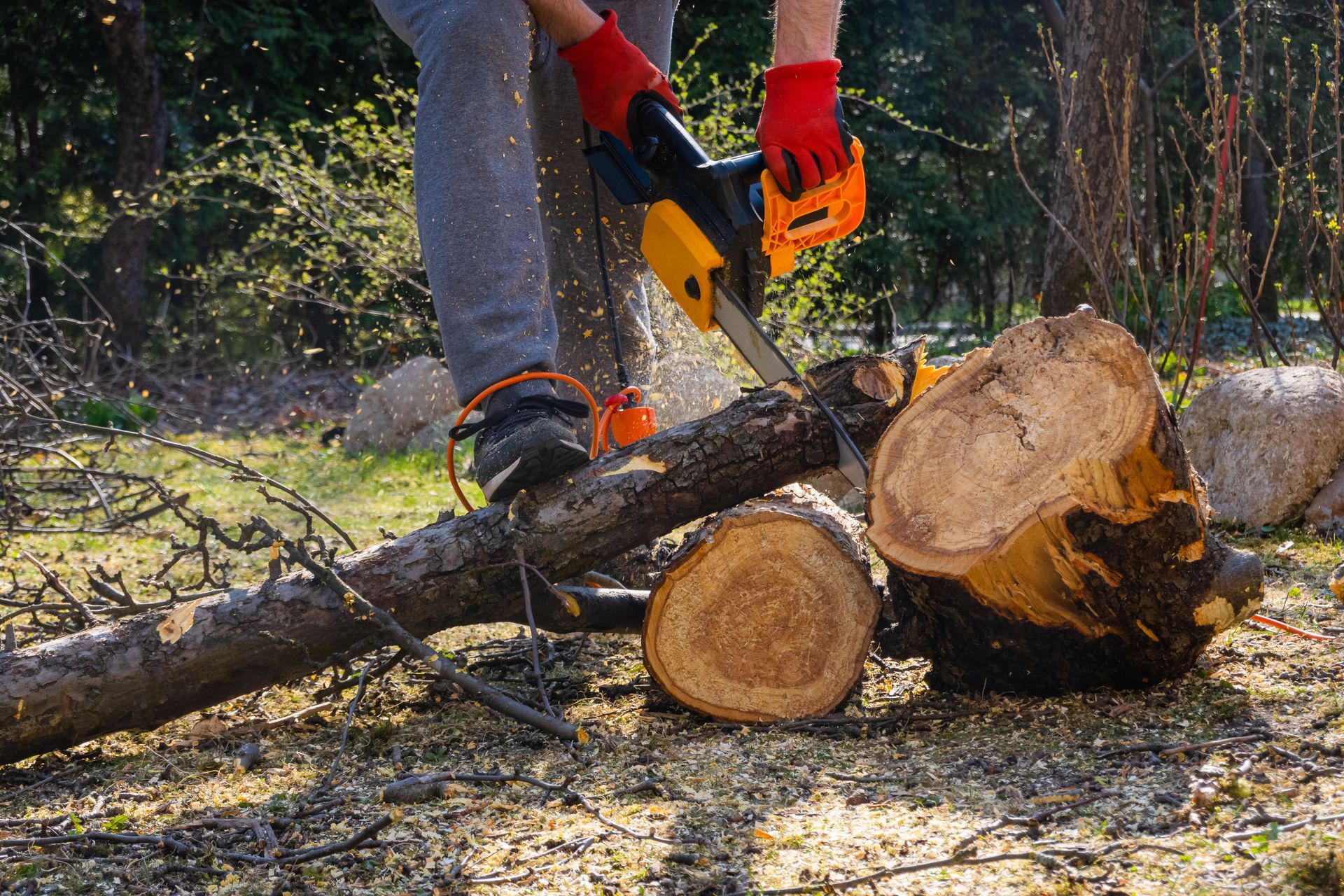
Although advanced machinery dominates today's operations, traditional methods still hold value in specific contexts. Hand tools such as axes and machetes remain useful in environmentally sensitive areas where large equipment might cause excessive disturbance, as well as on smaller residential plots where precision matters most. This continued relevance demonstrates the industry's ability to draw on a diverse toolkit rather than defaulting to a one-size-fits-all approach.
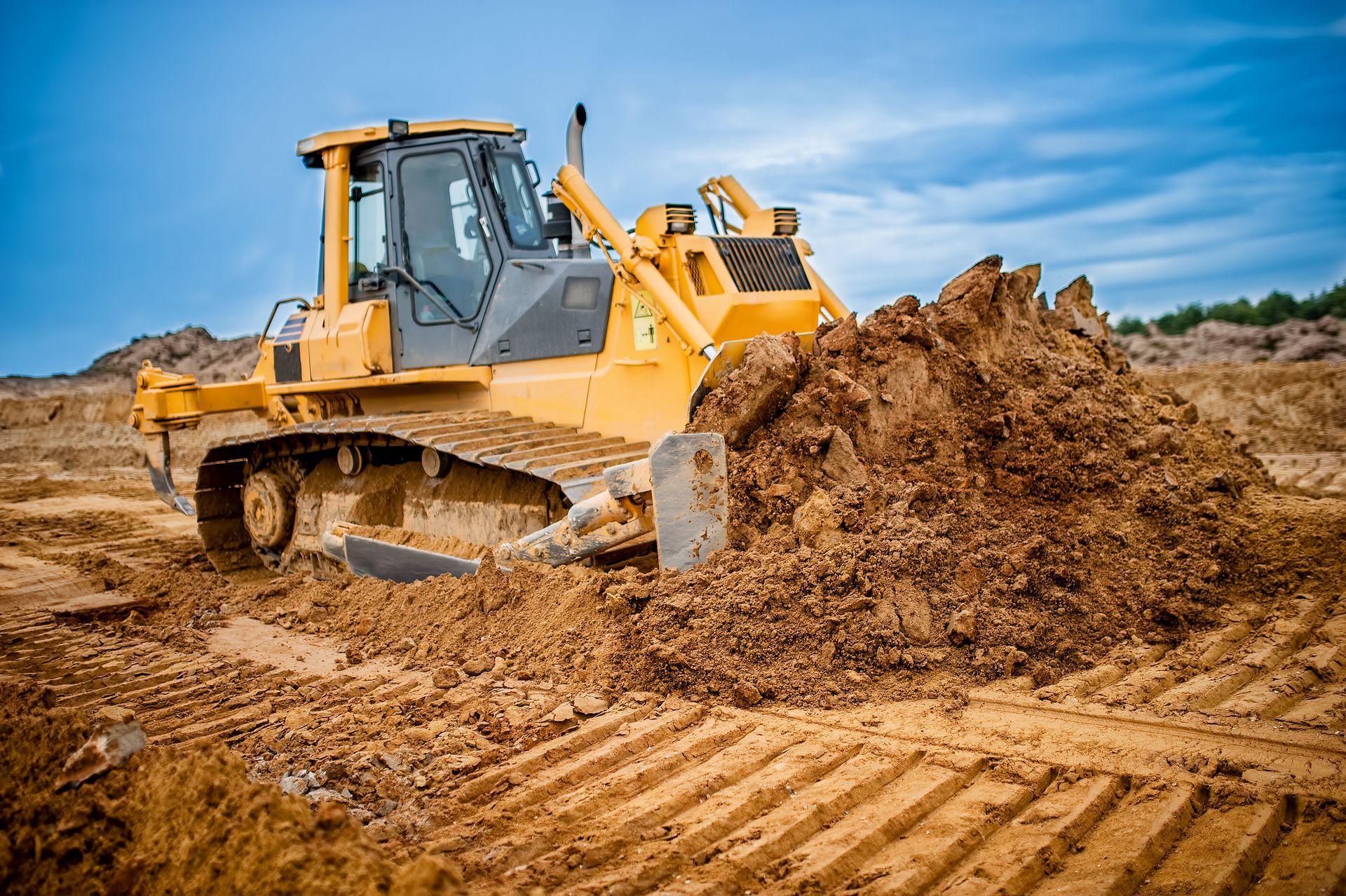
Modern machinery — including bulldozers, excavators, and mulchers — allows land clearing companies to handle large-scale projects with speed and accuracy. The integration of GPS and computer systems enables operators to map and navigate projects more precisely, minimizing unnecessary clearing. According to Rise Online Advertising, a professional land clearing crew typically consists of two to three operators, each trained in handling this sophisticated equipment safely and efficiently. Advanced attachments such as forestry heads and brushcutters further expand machinery versatility, ensuring that projects are completed with both effectiveness and environmental care.
Implement Eco-Friendly Clearing Practices
In response to growing environmental concerns, land clearing companies have embraced innovative techniques designed to minimize ecological impact. Selective clearing, in which only specific areas or types of vegetation are removed, helps preserve biodiversity by maintaining habitat complexity and allowing native species to thrive. This approach reduces environmental disturbance while still achieving the land use goals of a given project. A professional land clearing company will often conduct site assessments to determine which vegetation should remain, ensuring that natural drainage patterns, soil stability, and surrounding ecosystems are protected throughout the process.
Mulching has also gained favor as an eco-friendly alternative to traditional clearing methods. Rather than removing all biomass from a site, mulching breaks down vegetation and spreads it across the cleared area, returning nutrients to the soil and reducing erosion. Controlled burns offer yet another responsible option, removing invasive species and stimulating native plant growth while lowering the risk of uncontrolled wildfires. By incorporating these methods, a modern land clearing company can improve soil health, reduce waste, and support long-term land sustainability while still meeting development objectives.
Prioritize Safety and Worker Training
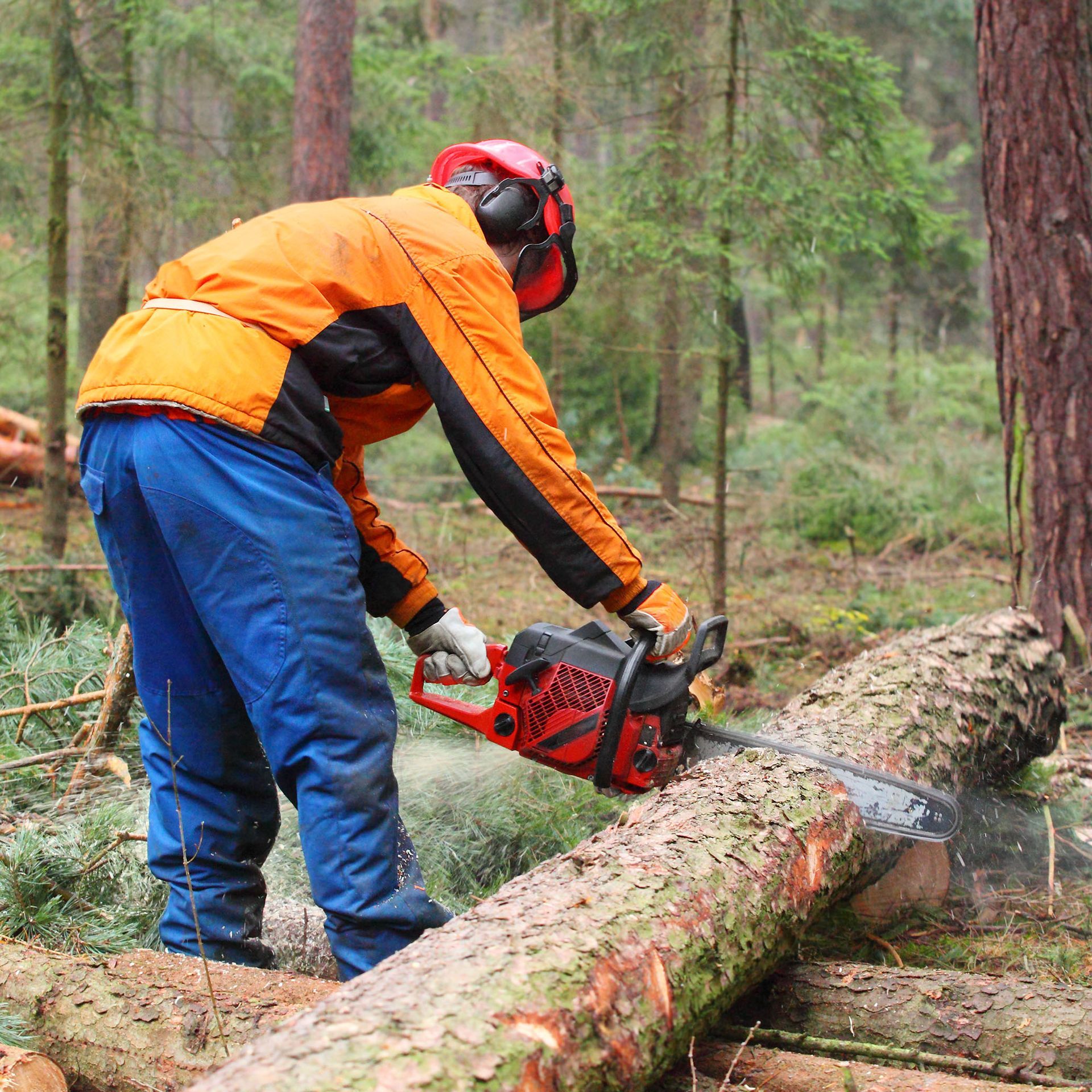
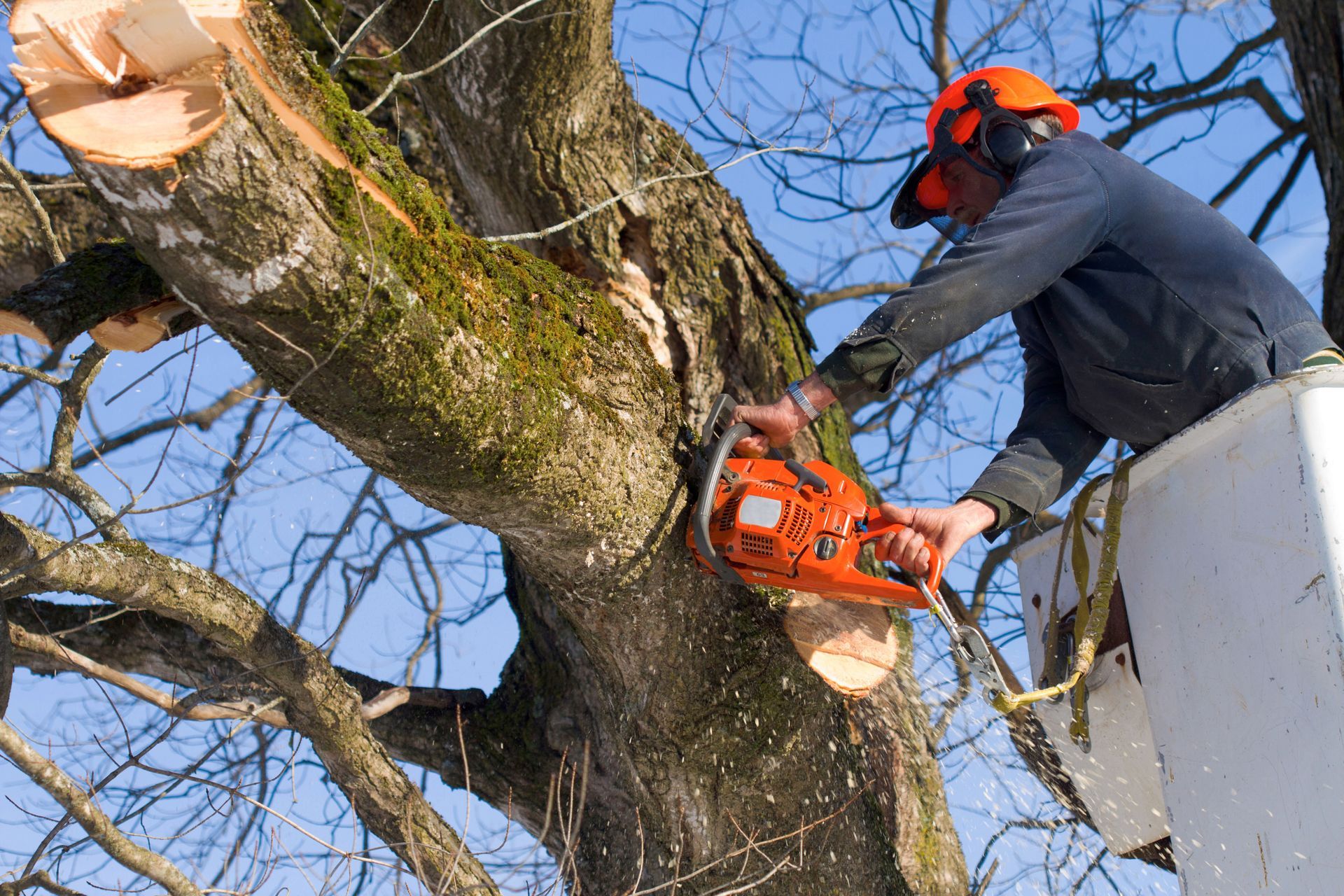
Safety is a top priority in land clearing, given the inherent risks of working with heavy machinery in challenging environments. Land clearing companies implement comprehensive safety protocols covering equipment handling, hazard recognition, and emergency response. Regular training sessions and updated guidelines ensure that workers are well-prepared for potential dangers before they ever set foot on a job site.
Worker training goes beyond technical proficiency to include situational awareness and environmentally conscious decision-making. Trainees learn not only how to operate machinery but also how to recognize site-specific hazards and understand the ecological impact of their work. Some companies offer specialized courses that reinforce responsible land management practices alongside standard safety instruction. This holistic approach to training reflects an industry-wide commitment to protecting both workers and the environments in which they operate.
Navigate Regulatory and Legal Requirements
Land clearing activities are governed by a complex web of local, national, and international regulations designed to balance development needs with environmental protection. Local ordinances may dictate site-specific requirements such as preservation mandates or setback distances, while national laws address broader concerns, including endangered species and air quality. International agreements focused on biodiversity and climate change further shape domestic regulatory frameworks, adding complexity for companies operating across multiple jurisdictions.
Obtaining the necessary permits is a critical step in any clearing project, typically involving site evaluations, environmental impact assessments, and public consultations. Compliance guidelines define acceptable practices during project execution, including erosion control measures and mandatory reporting obligations. Land clearing companies that prioritize due diligence and thorough documentation throughout the project lifecycle not only avoid penalties but also build the stakeholder confidence that is essential for long-term success. Staying current with evolving policy trends — particularly those related to climate change mitigation — ensures the industry continues to operate responsibly as regulatory expectations grow.
From managing diverse terrain types and deploying cutting-edge equipment to navigating environmental regulations and prioritizing worker safety, land clearing companies perform essential work that transforms neglected land into a productive opportunity. Each project requires a careful balance of technical expertise, regulatory knowledge, and environmental responsibility to deliver results that serve both communities and the natural world.
If you are ready to clear your land and unlock its full potential, contact us at Alpha 1 Tree Experts Inc today. We will help you navigate every step of the process with the skill, care, and professionalism your project deserves.